
Artificial Grass in Lucas, TX
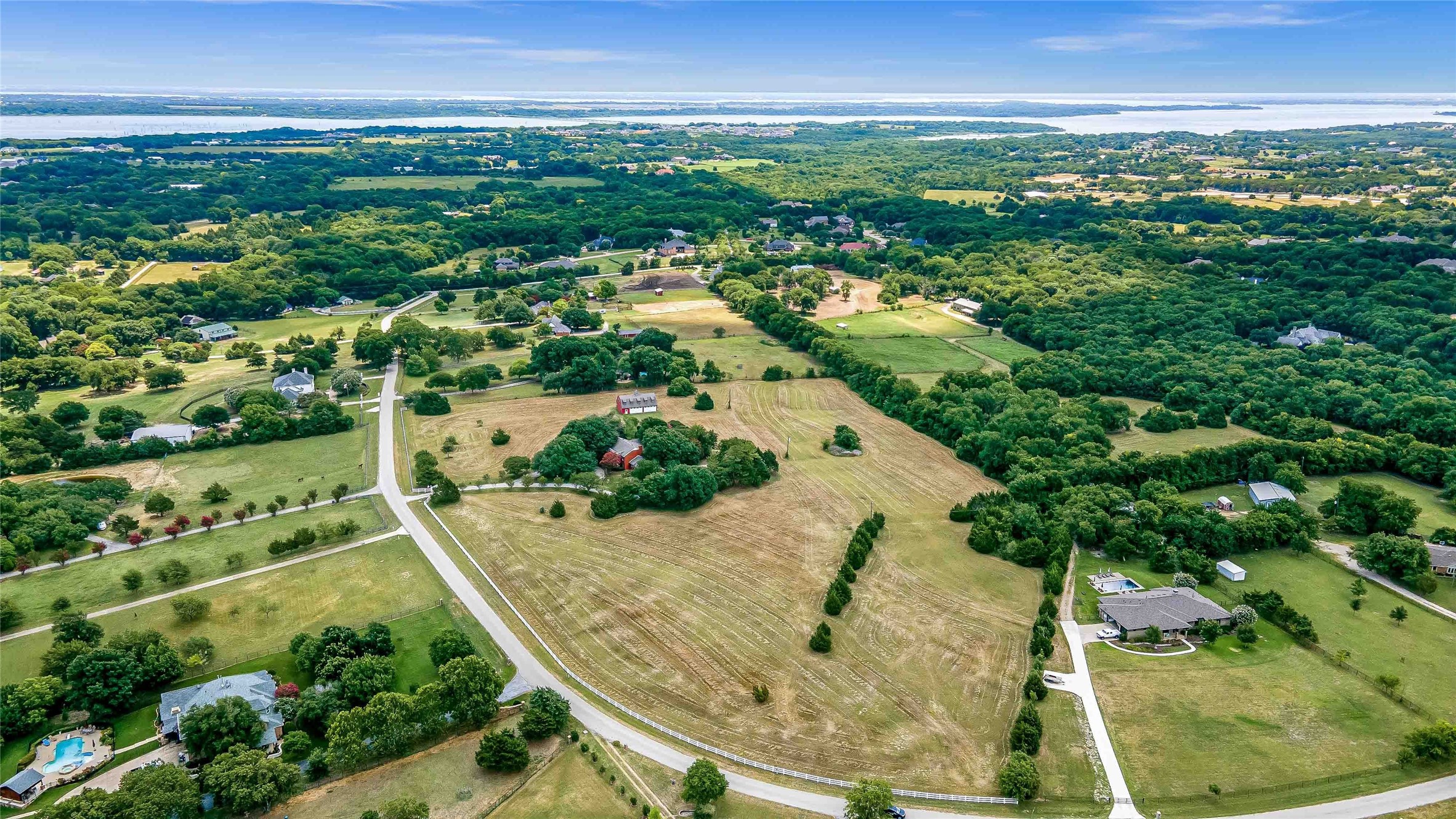
Lucas sits in a part of Collin County that still feels genuinely rural — larger lots, a lower density, more breathing room between neighbors. The families we work with here often have multiple dogs, horses or goats on adjacent pasture, and a backyard that connects the house to the rest of the property in a way that gets heavy foot traffic from both kids and animals. The challenge with Lucas yards is usually not the size of the turf area — it is getting the transition between the high-activity turf zone and the surrounding natural ground to work cleanly without creating mud channels at the edges. We have figured that out through enough installations here to have a reliable approach.
Schedule a Free On-Site EstimateLocal Service in Lucas
Lucas sits in a part of Collin County that still feels genuinely rural — larger lots, a lower density, more breathing room between neighbors. The families we work with here often have multiple dogs, horses or goats on adjacent pasture, and a backyard that connects the house to the rest of the property in a way that gets heavy foot traffic from both kids and animals. The challenge with Lucas yards is usually not the size of the turf area — it is getting the transition between the high-activity turf zone and the surrounding natural ground to work cleanly without creating mud channels at the edges. We have figured that out through enough installations here to have a reliable approach.
How do you handle the transition between turf and natural ground on a Lucas rural property?
The edge is where turf installations in rural settings succeed or fail. On a standard suburban lot, you edge against a concrete sidewalk or a landscape bed — the boundary is hard and defined. On a Lucas rural property, you are often edging against natural soil, gravel drives, or open pasture, and that boundary needs to handle foot traffic from both directions without allowing the two surfaces to contaminate each other.
Our standard approach for Lucas rural edges is a steel bender board set at grade level, with a 6-inch sod barrier — essentially a thin plastic membrane — installed vertically along the turf perimeter to a depth of 4 inches. This prevents natural grass rhizomes from migrating under the turf edge, which would otherwise push up through the seam and create a maintenance problem. On the outside of the edge, we typically install a 12-inch-wide compacted decomposed granite border that acts as a mud trap — paws or boots cross the DG before they get to the turf, so most of the loose dirt gets knocked off before it reaches the synthetic surface.
On one Lucas property last spring, we installed a large pet-turf area for a family with three mixed-breed dogs and the yard backed directly to a horse pasture. The horses would occasionally push through the fence line and step on the turf perimeter. We used a heavier-gauge steel edging and a pea gravel border on that side that has held through a year of horse contact with no edge failure.
What does artificial turf do to the fly and pest situation on a Lucas rural property?
This is a question rural clients ask that suburban clients generally do not. In Lucas, you often have horses, poultry, or livestock nearby, and flies are a real seasonal presence on the property.
Here is what we can say about synthetic turf and pest pressure. Flies breed primarily in organic material — manure, rotting vegetation, standing moisture. Natural grass with dog waste sitting in it is an excellent fly-breeding environment: there is moisture, organic material, and warmth. Synthetic turf with the right maintenance regime removes two of those three conditions. The zeolite infill we use for pet areas dries rapidly after rain and has antimicrobial properties that slow bacterial decomposition of organic matter on the surface. Solid waste is easier to remove from turf than natural grass because it does not embed in thatch. Combined, a well-maintained synthetic pet yard produces less fly habitat than a natural grass alternative.
We cannot promise zero flies on a rural Lucas property — the livestock pasture next door will always be a breeding source we cannot control. But the turf area itself will not add to the problem and will likely reduce it compared to the natural grass it replaced. Clients who made this switch consistently tell us fly pressure in the immediate yard area dropped noticeably in the first summer.
Does Lucas have clay drainage issues similar to the rest of Collin County?
Yes, though the clay geology varies somewhat across the Lucas area. The eastern portions of Lucas, closer to Lake Lavon and the Sabine River headwaters, have heavier clay content and more pronounced drainage issues. Western Lucas tends to have sandier loam mixed in. We test every site before we spec the base design.
For Lucas properties with heavy clay, we go a bit deeper on the excavation — typically 5 inches rather than 4 — and we add a dimple-board drainage mat under the crushed granite layer. The dimple board creates a horizontal drainage plane that allows water to move laterally toward the exit point even if the natural soil percolation is essentially zero. On flat Lucas lots in low-lying areas, this makes the difference between a turf yard that drains in 20 minutes and one that holds water for hours.
One Lucas family last year had a quarter-acre area around their back patio that they wanted to turf. The yard was essentially flat and the soil was classic Collin County waxy clay — the kind that sheens when wet and cracks into inch-wide fissures in August. We designed a full dimple-board system with a central catch basin tied to their existing yard drain. After installation, that zone cleared after even the heavy spring storms within about fifteen minutes. Their dogs stopped coming in with wet paws.
Can artificial grass work around a Lucas property with significant shade from cedar elms?
Cedar elms are everywhere in rural Collin County, and Lucas has plenty of them. They are semi-deciduous, drop their tiny leaves in late fall, and have root systems that spread aggressively across the top soil layer. Both factors affect turf installation and maintenance.
For the shade question: synthetic turf does not need sunlight to stay green, so shaded areas under cedar elms are fine from a performance standpoint. In fact, reduced UV exposure in shaded zones extends the fiber life of the turf, so heavily shaded areas may outlast the sunnier portions of the same installation.
For the root question: cedar elm roots in the top 2 to 3 inches of soil complicate excavation. We hand-dig around root zones rather than using machines, and we do not cut major roots — we grade over and around them. This creates a slightly non-planar base that we compensate for with extra base depth in the low spots to maintain consistent drainage slope.
For the leaf question: cedar elm leaves are small enough to sift into the turf pile if left to accumulate. We include a note in our maintenance guide for Lucas clients with elms to do a light leaf blowing pass every two to three weeks through October and November. It takes ten minutes and prevents a cleanup issue in spring.
What does a Lucas installation look like from start to finish?
Most Lucas residential installs run four to six days depending on lot size and base complexity. We schedule a morning start — 7:30 AM — and wrap each day before 5 PM to minimize disruption to your property routine.
Day one starts with the site prep walk. We spend an hour on the property with the homeowner before we touch anything — marking roots, identifying irrigation lines, confirming the drainage outlet locations, and agreeing on the exact perimeter of the turf zone. On a rural Lucas property, this pre-work conversation matters more than it might on a standard suburban backyard because there are more variables to manage.
Days one and two are excavation. We remove the existing ground cover, excavate to depth, and haul material off daily. Tree root navigation happens here — hand work with flat spades around any significant root structures. We also install the perimeter edge board and any vertical sod barriers during this phase.
Days two and three are base installation. Crushed granite in, compacted in lifts, drainage structures installed, final grade checked. On a five-plus-inch-deep Lucas install, we run two full compaction passes with a reversible plate compactor — one at the midpoint depth and one at the finish grade.
Days four and five are turf and infill. Roll-out, cut, seam, nail. Infill distribution, power brooming, final walk. We typically spend extra time on Lucas edge finishing — the rural-to-turf transitions — because that is where the long-term performance of the yard is determined.
Services Available in Lucas
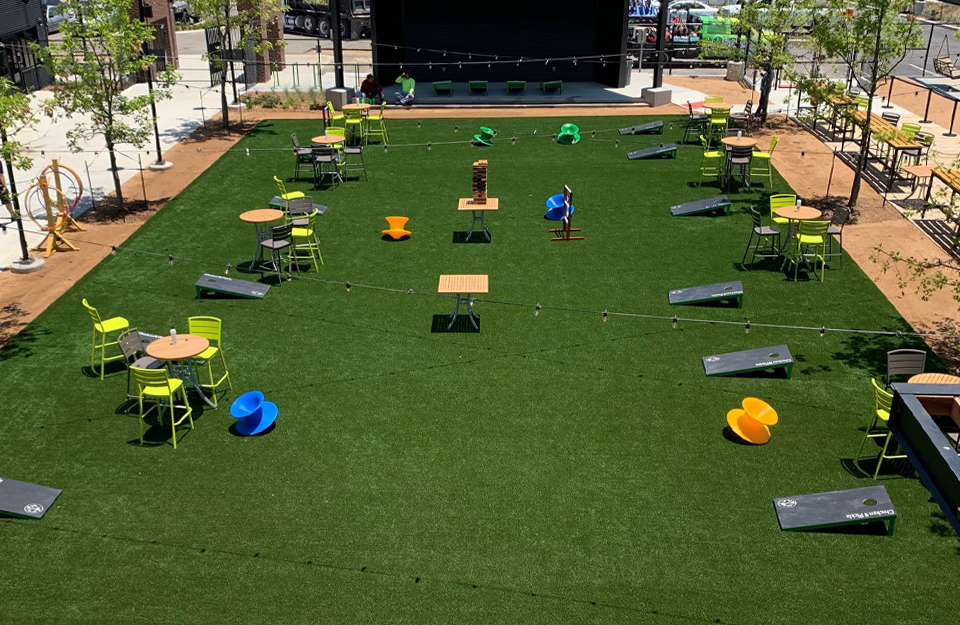
Commercial Artificial Grass Installation
Professional Commercial Artificial Grass Installation in Allen, TX.
View Service
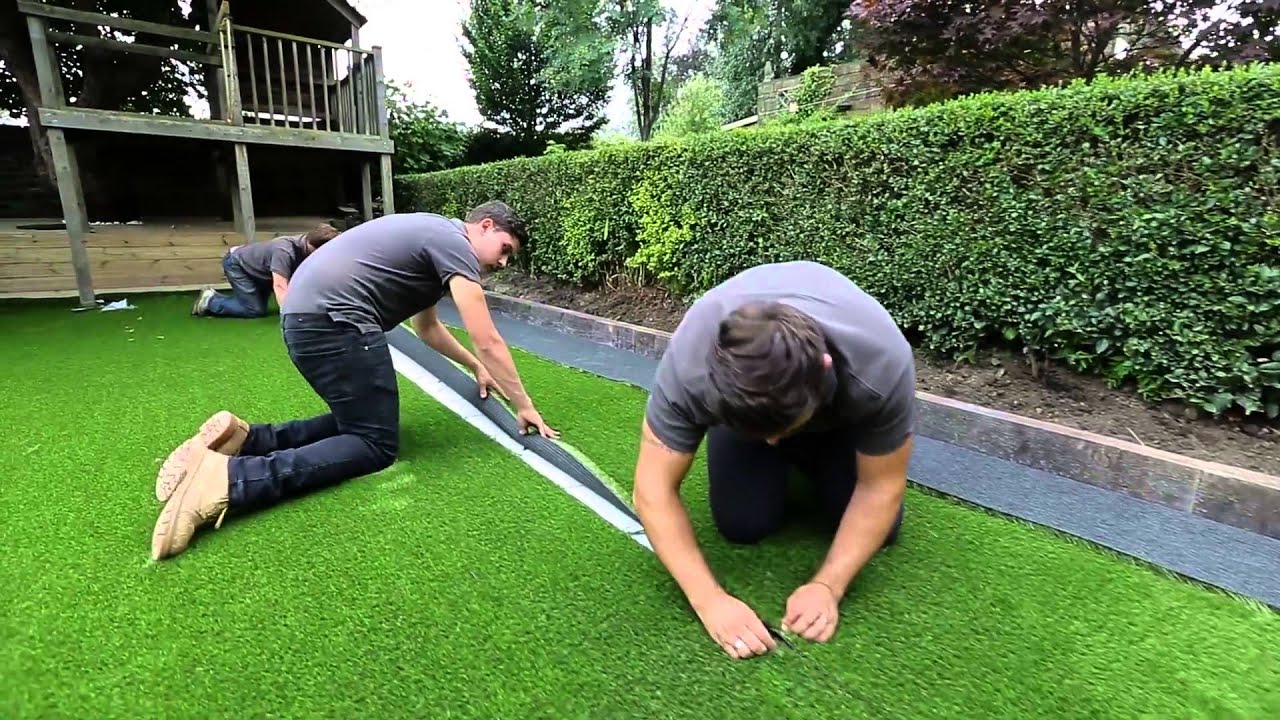
Residential Artificial Grass Installation
Professional Residential Artificial Grass Installation in Allen, TX.
View Service
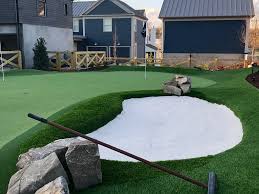
Artificial Grass Putting Green Design
Professional Artificial Grass Putting Green Design in Allen, TX.
View Service
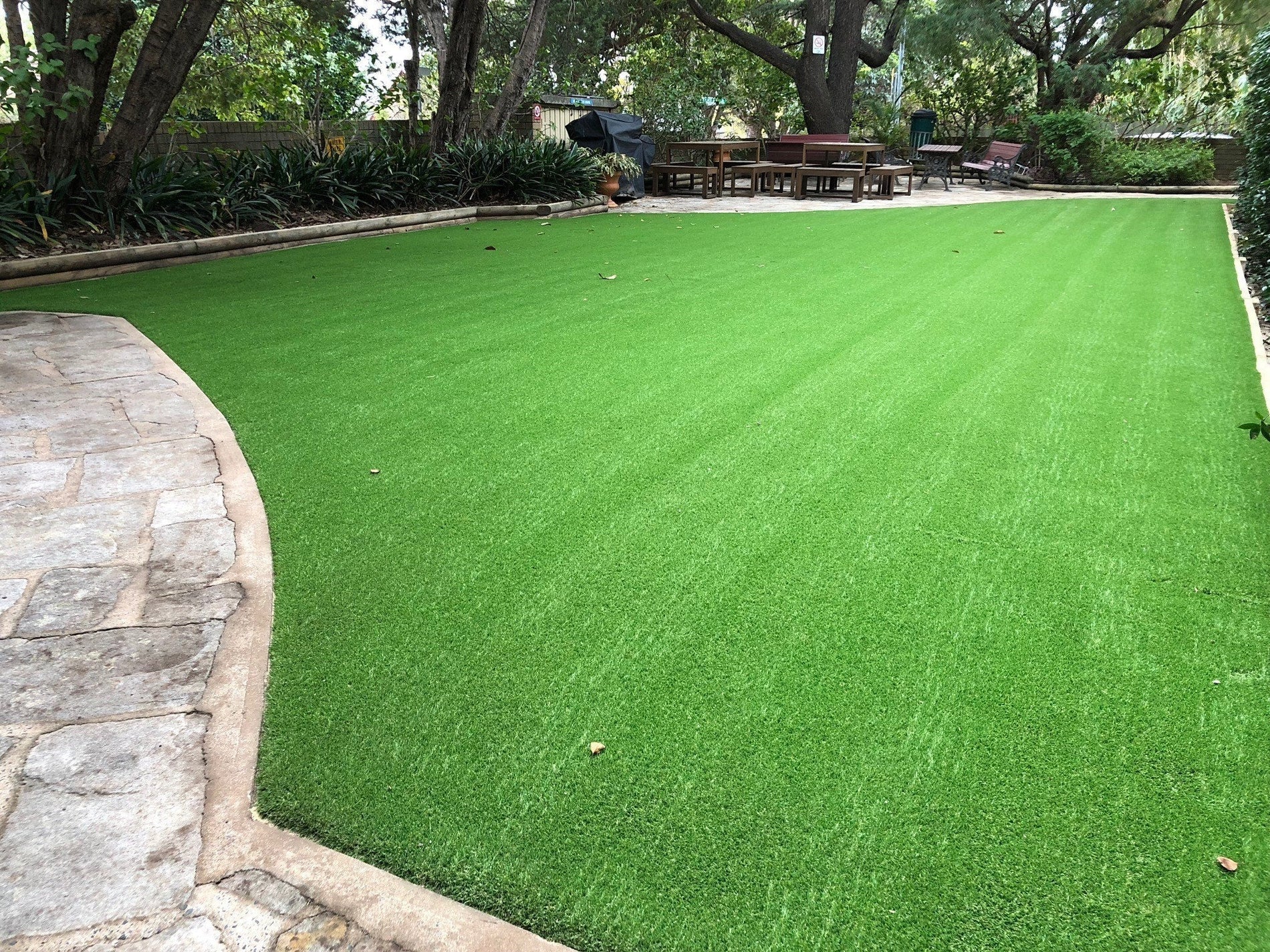
Artificial Grass Maintenance
Professional Artificial Grass Maintenance in Allen, TX.
View Service
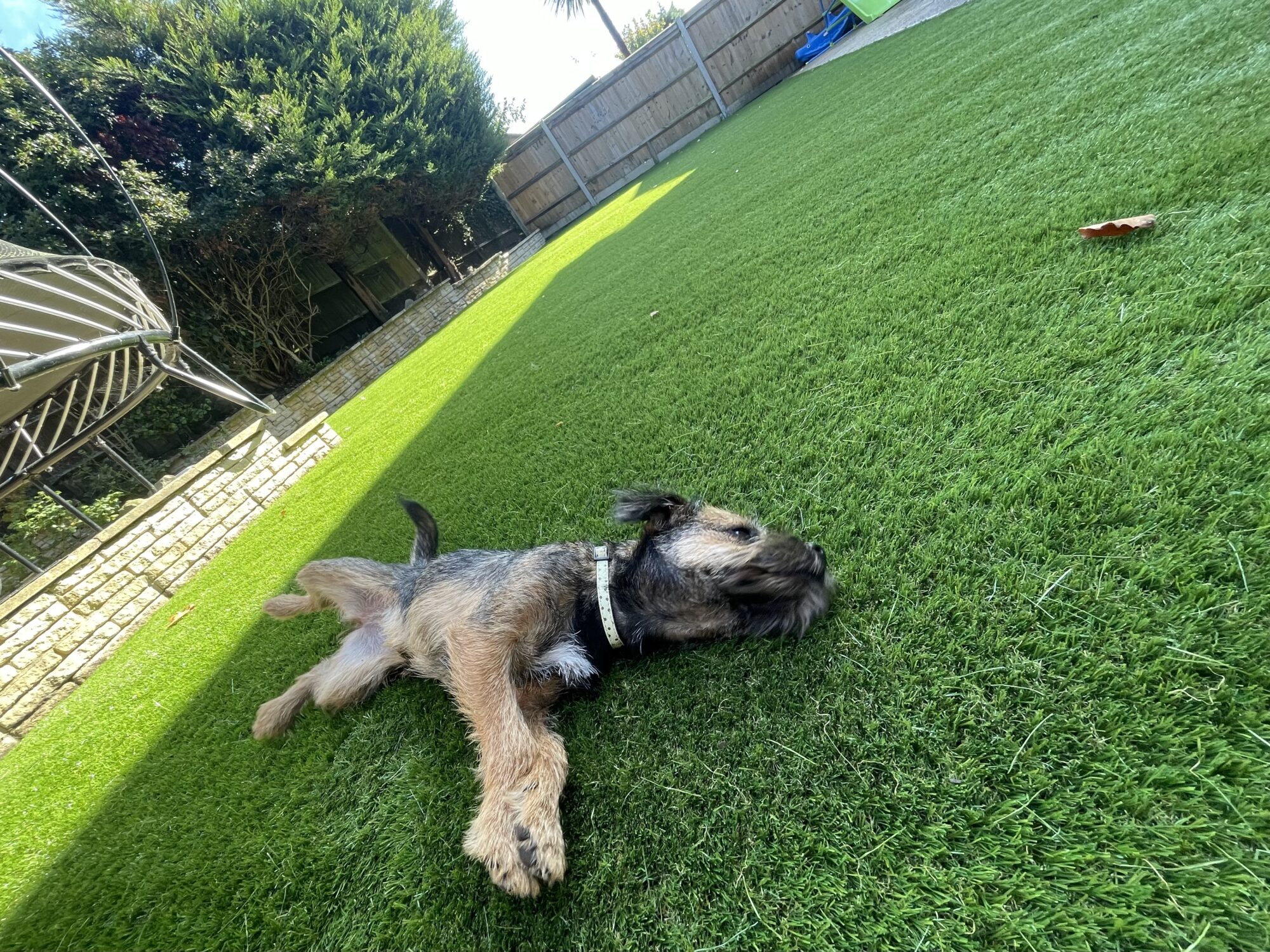
Artificial Grass For Pets
Professional Artificial Grass For Pets in Allen, TX.
View Service
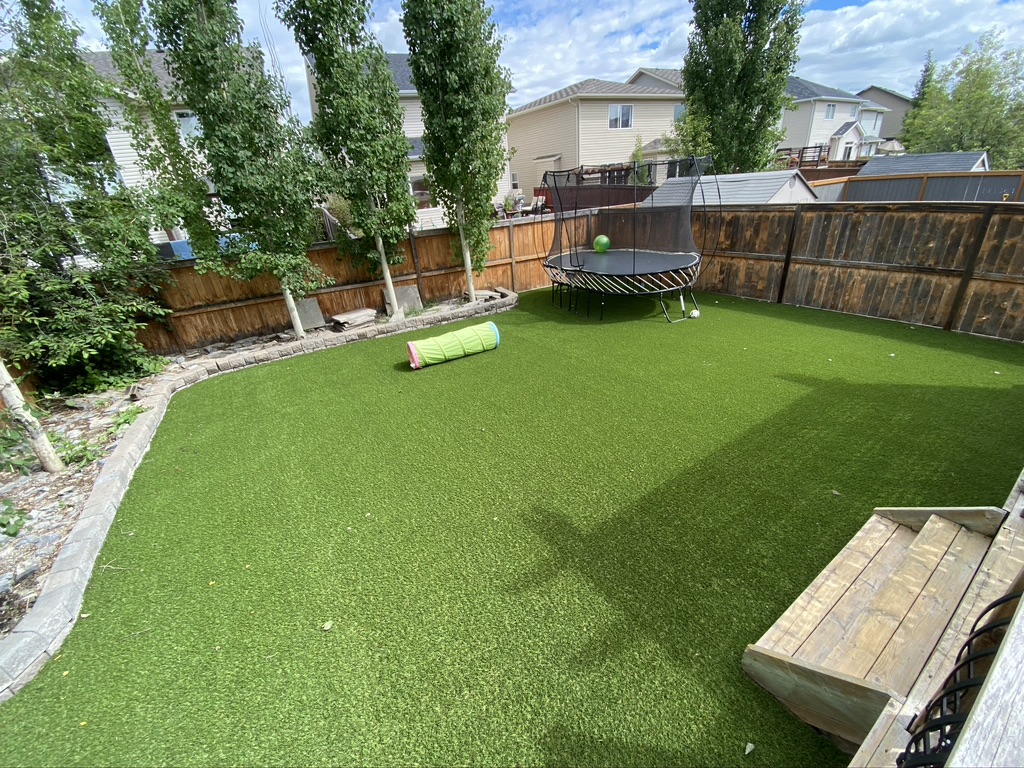
Artificial Grass Repair
Professional Artificial Grass Repair in Allen, TX.
View Service
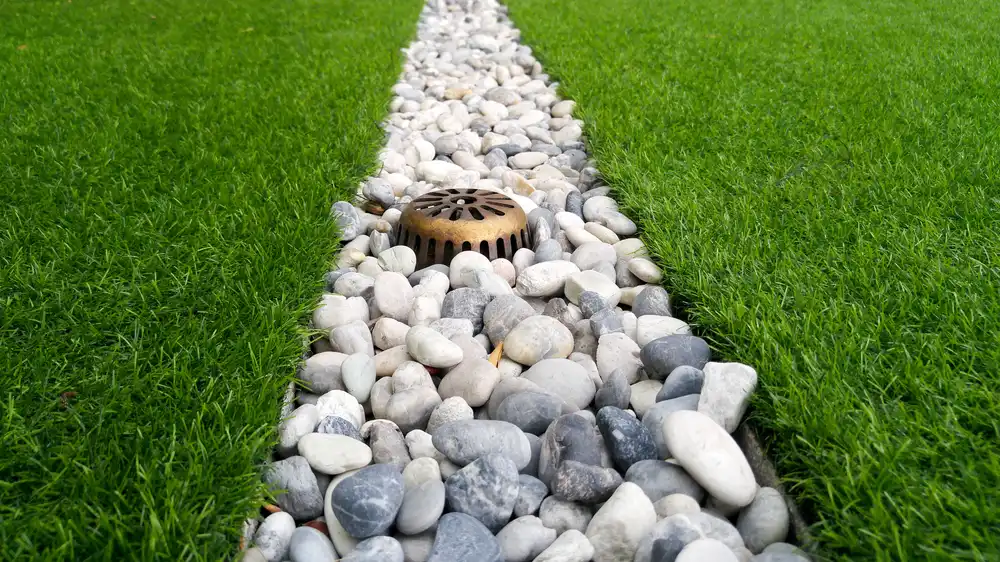
Artificial Grass Drainage Solutions
Professional Artificial Grass Drainage Solutions in Allen, TX.
View Service
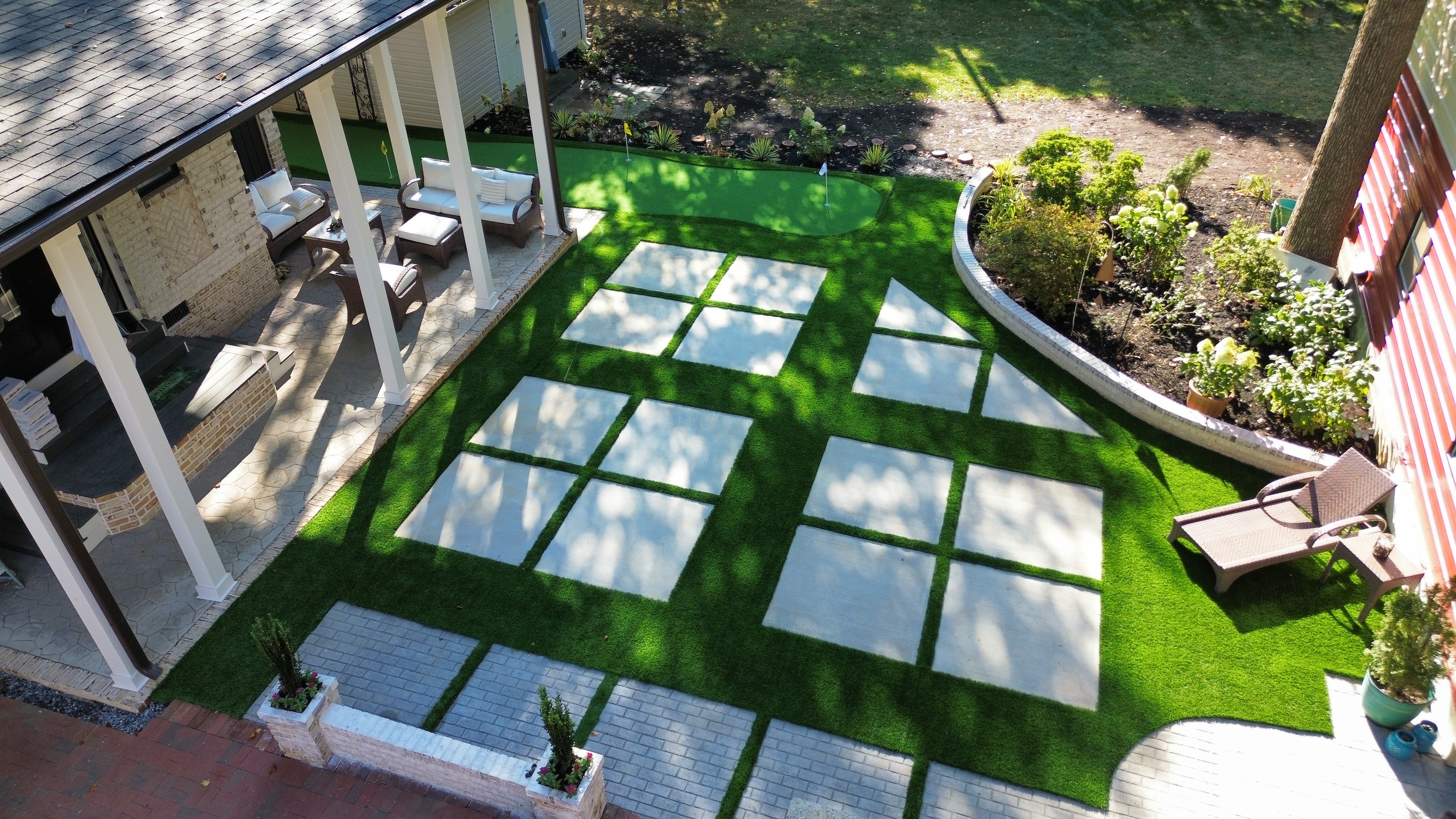
Artificial Grass Consultations
Professional Artificial Grass Consultations in Allen, TX.
View Service
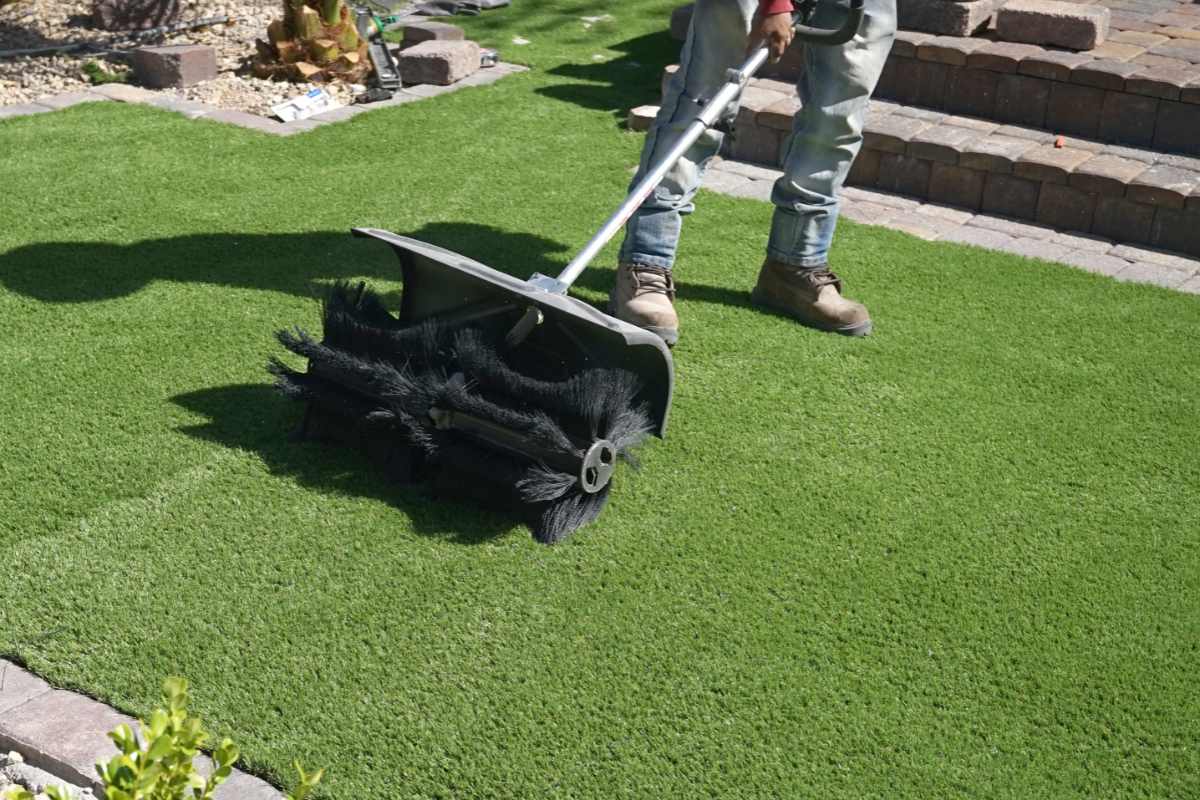
Artificial Grass Removal And Replacement
Professional Artificial Grass Removal And Replacement in Allen, TX.
View Service
Nearby Cities We Serve
Let's visit your Lucas property
Lucas TX artificial grass installs for larger rural lots. Drainage-first base design, pet-safe infill. Local crew, honest estimates.
Schedule a Free On-Site Estimate