What makes a pet yard succeed or fail in Allen
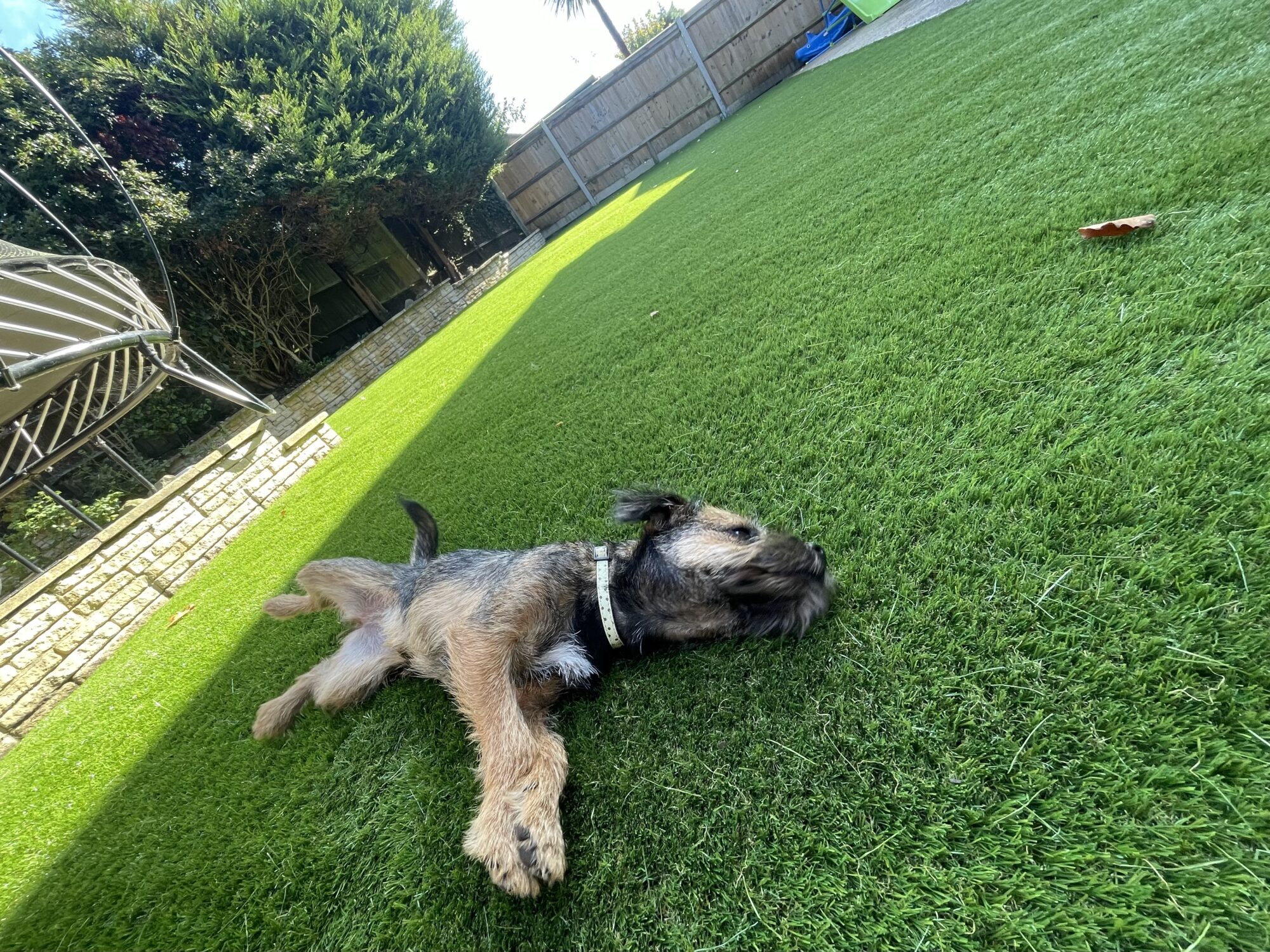
Our daughter's grass allergies pushed us into turf in the first place, but the pet-yard work became the core of what we do. Most of our residential installs in Allen, McKinney, and Frisco are pet-motivated — families who are tired of muddy dogs, dead patches, and the smell that builds up when natural grass traps pet waste. We have spent eighteen years figuring out what drainage system, what infill product, and what blade spec produces a pet yard that performs year after year in the North Texas climate. Here is what we have learned.
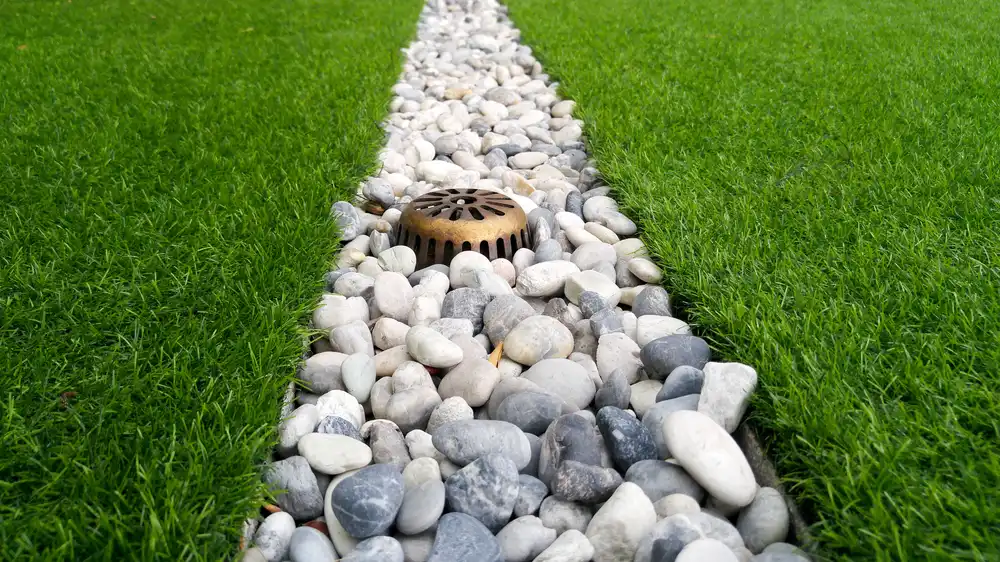
The difference between a pet yard that works and one that becomes a smell problem within two years is almost entirely below the surface. The turf itself is visible and gets most of the attention, but the drainage design and the infill selection determine the long-term performance.
In Collin County clay soil, an improperly prepared base traps liquids. They have nowhere to go except sideways or up. A yard with slow drainage under a pet turf system becomes a bacterial environment that eventually overwhelms even a good antimicrobial infill. We have been called in to remediate installs exactly like this — correctly sourced product over a bad base — and the answer is always the same: excavate, rebuild the base, reinstall. It is expensive. It is avoidable.