

Artificial Grass in Parker, TX
Parker is the kind of city where the properties have names. People say "the horse property off Parker Road" or "the five-acre lot in the back of the subdivision" and everyone knows what they mean. It is a Collin County city that managed to stay genuinely semi-rural even as development crept up from Plano and Allen on the south and Wylie on the east. The families who live here chose it for the space, and the landscaping challenges they face are proportional to that space. We work in Parker regularly and our installs here skew toward larger projects — often the high-activity zone around a house or a swimming pool that sits in the middle of several acres of natural grass and needs to stay clean year-round without constant maintenance.
Request a Free Site VisitLocal Service in Parker
Parker is the kind of city where the properties have names. People say "the horse property off Parker Road" or "the five-acre lot in the back of the subdivision" and everyone knows what they mean. It is a Collin County city that managed to stay genuinely semi-rural even as development crept up from Plano and Allen on the south and Wylie on the east. The families who live here chose it for the space, and the landscaping challenges they face are proportional to that space. We work in Parker regularly and our installs here skew toward larger projects — often the high-activity zone around a house or a swimming pool that sits in the middle of several acres of natural grass and needs to stay clean year-round without constant maintenance.
Does artificial turf work on a sloped Parker lot?
Most Parker properties have more topographic variation than the flat clay plains further south and west in Collin County. Rolling terrain, draws, and significant grade changes from front to back of the lot are common. Turf installs on sloped sites require different technique than flat installations.
For slopes up to about 15 degrees, standard compacted granite base with proper grading works fine. The base is installed with a slight transverse pitch to carry water across the face of the slope to defined drainage channels at the sides, rather than letting it sheet straight down the slope face — which would erode the base over time.
For steeper slopes — which do appear on some Parker properties near natural drainage features — we add a geosynthetic nailer bar system that pins the turf to the base at horizontal intervals going up the slope. This prevents the turf from creeping downhill under its own weight over the years. We also use a nail pattern roughly double the standard frequency on sloped installations. One Parker client had a 25-degree slope along a rear drainage swale that they wanted turfed to eliminate the maintenance nightmare of mowing on steep ground. We completed that with the pin system and it has held solidly for three years with no movement.
What is the best way to use artificial grass around a Parker horse property?
Horse properties are a specific use case we understand well in Parker. Horses cannot reasonably go on synthetic turf — the hooves and weight would destroy the product quickly — but there are areas on every horse property where turf makes excellent sense.
Around the house itself, particularly the back patio and the outdoor entertaining area, turf eliminates the dust-and-mud transition zone that exists on most horse properties between the natural landscape and the house interior. When you have horse chores happening every day, that clean transition matters.
Around the barn entrance and the grooming and wash areas, we occasionally install a heavy-duty equine-grade synthetic mat system that is specifically rated for horse hoof contact — this is a different product from lawn turf, essentially an interlocking rubber surface that looks like turf but handles hoof load without damage. We do not do this as a standard service but we have subcontracted the mat work on several Parker properties where the client wanted a continuous look from the grooming bay to the house yard.
The paddock fence line is another place where turf installs in a narrow band (sometimes 4 to 6 feet wide) to create a clean edge between the paddock and the house yard. This eliminates the dirt channel that horses create by walking the fence line, which in Texas summer turns into a dust gutter and in spring turns into a mud trench.
How do Parker properties handle the water-well situation with turf irrigation requirements?
Many Parker properties are on private wells rather than municipal water. One of the most common reasons Parker homeowners call us is that their natural lawn is consuming well water at a rate that is affecting supply or running up their pumping costs. Synthetic turf eliminates irrigation entirely, which is a significant operational change for a well-dependent property.
We do still recommend water access near the turf area — a hose bib within reach of the yard for rinsing after pet use and for the periodic cool-down rinse on hot afternoons. But the difference between occasional rinsing and regular irrigation is enormous. A typical natural grass installation on a Parker property might use 40,000 to 60,000 gallons of water per year for irrigation during dry periods. A synthetic turf area of the same size uses maybe 2,000 gallons annually for maintenance rinsing. If your well capacity is limited or your pump is aging, that is a material improvement in sustainability.
Some Parker clients also maintain natural grass on the larger portions of their lot that are visible but not heavily used — essentially treating the natural grass as a managed pasture and limiting irrigation to rainfall. The turf handles the high-activity areas around the house. This zoned approach extends the well capacity further and reduces the burden on the pump system.
Are there specific weed pressures in Parker that affect turf maintenance?
Parker has the same clay-and-Blackland-Prairie weed community as the rest of southern Collin County, but the semi-rural character of the area means more exposure to seeds from adjacent natural land. Goathead puncturevine, Texas thistle, and various annual grasses blow in from unmaintained land around Parker properties constantly.
Our weed barrier installation on Parker properties goes in with extra care for this reason. We use a commercial-grade non-woven geotextile rather than a woven landscape fabric, because non-woven fabric is better at stopping small annual grass seeds from germinating in the turf seams. We also seal all edge transitions with the fabric folded up against the bender board so there is no gap where seeds can fall directly to soil.
Mainly what we tell Parker clients is this: weed intrusion at the edges is the primary ongoing maintenance task with synthetic turf. Once or twice a year, run along the edge perimeter and pull any volunteers that have established in the tiny soil line between the edge board and the surrounding ground. It is a 20-minute task on most Parker properties and keeps the perimeter looking sharp. The field area of a properly installed turf with a good weed barrier should be essentially weed-free for the life of the installation.
What does a large Parker estate installation look like in practice?
Large Parker estate installs typically run five to seven working days. We size the crew to the project — a 5,000-square-foot install gets three crew members rather than two, which keeps the schedule reasonable without the quality cutting that comes from rushing.
Pre-work is more involved on large Parker properties than on standard suburban lots. We visit the site at least twice before the install starts — once for the initial estimate walk and once for a pre-installation planning review with the homeowner where we walk the final perimeter, confirm all drainage outlets, and verify the irrigation line locations. On properties with multiple outbuildings or complex utility runs, the utility marking process alone takes time.
During the install, we stage materials in a flat accessible area — usually a paved surface or a previously graded pad — so we are not driving heavy granite delivery trucks across the soft ground near the work area. Parker properties often have gates and access constraints that require coordinating the delivery logistics in advance.
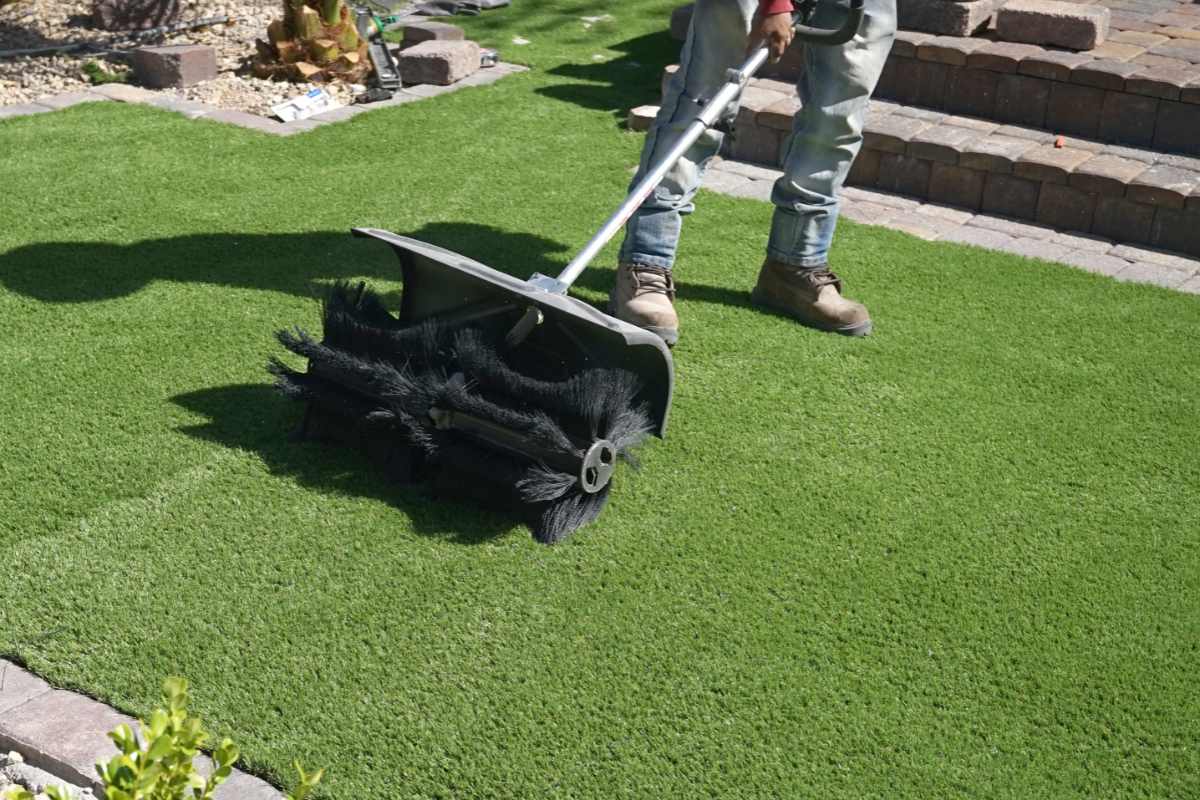
The final walkthrough on a large Parker install is longer than on a suburban job. We walk every linear foot of edge, every seam, every transition point. We show the drainage exit points and explain how they function. We demonstrate the maintenance tools — power broom, leaf blower attachment, hose nozzle — and leave a written care guide. On a Parker estate, you are making a significant investment; we want you to have every piece of information needed to protect it.
Services Available in Parker
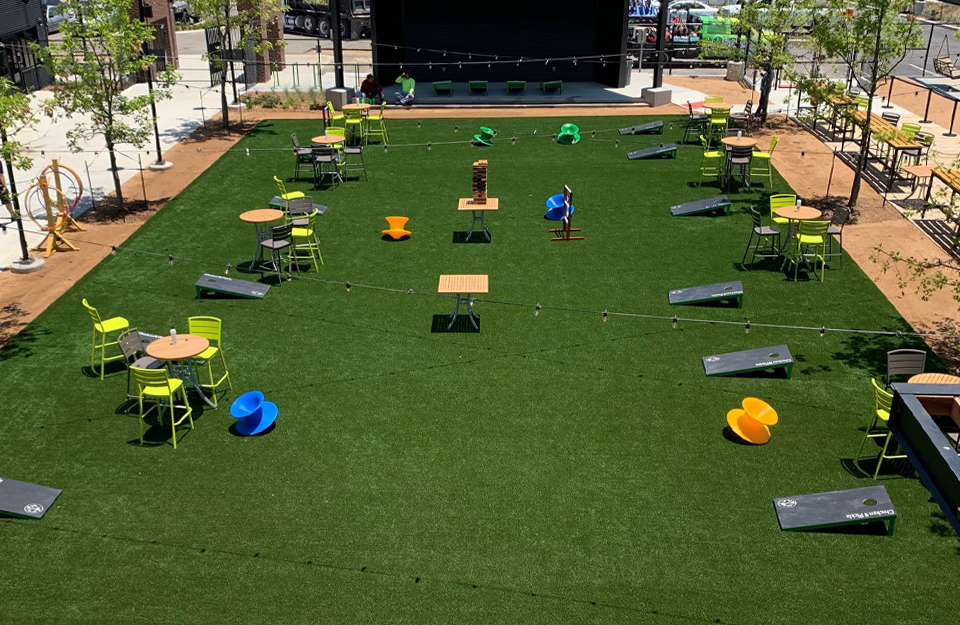
Commercial Artificial Grass Installation
Professional Commercial Artificial Grass Installation in Allen, TX.
View Service
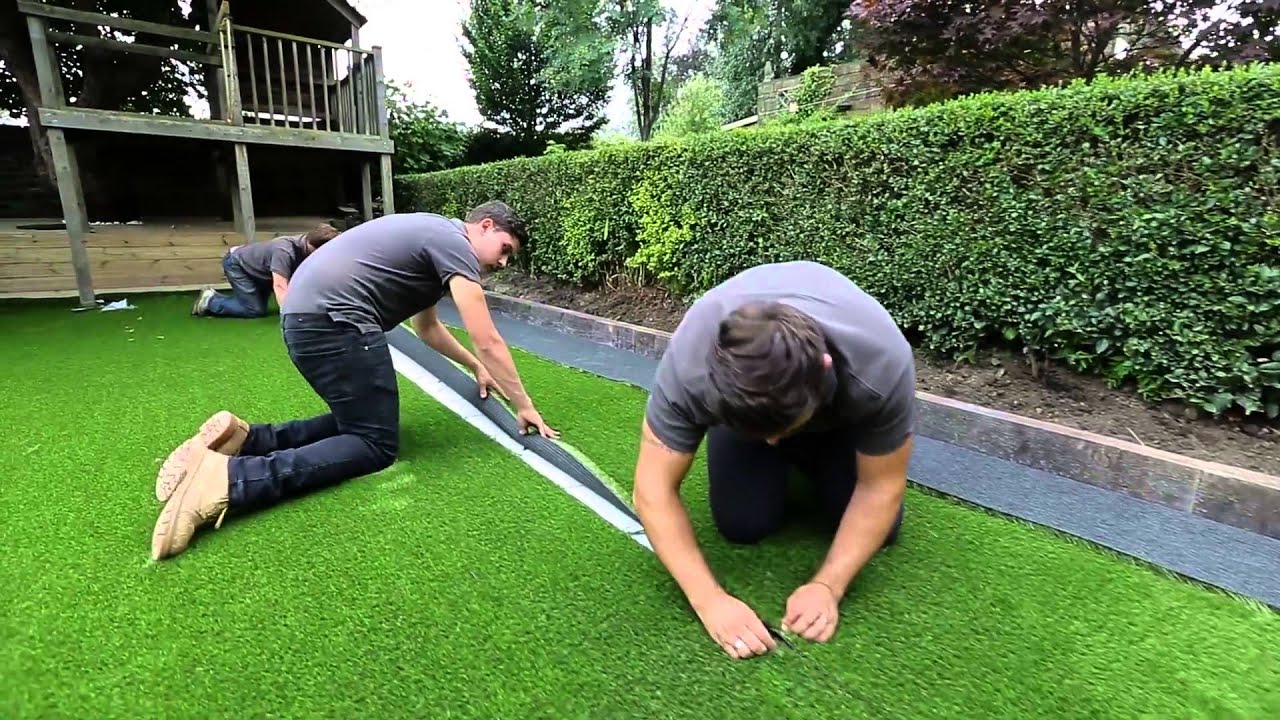
Residential Artificial Grass Installation
Professional Residential Artificial Grass Installation in Allen, TX.
View Service
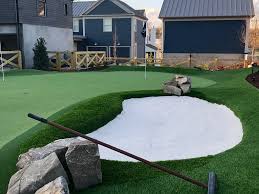
Artificial Grass Putting Green Design
Professional Artificial Grass Putting Green Design in Allen, TX.
View Service
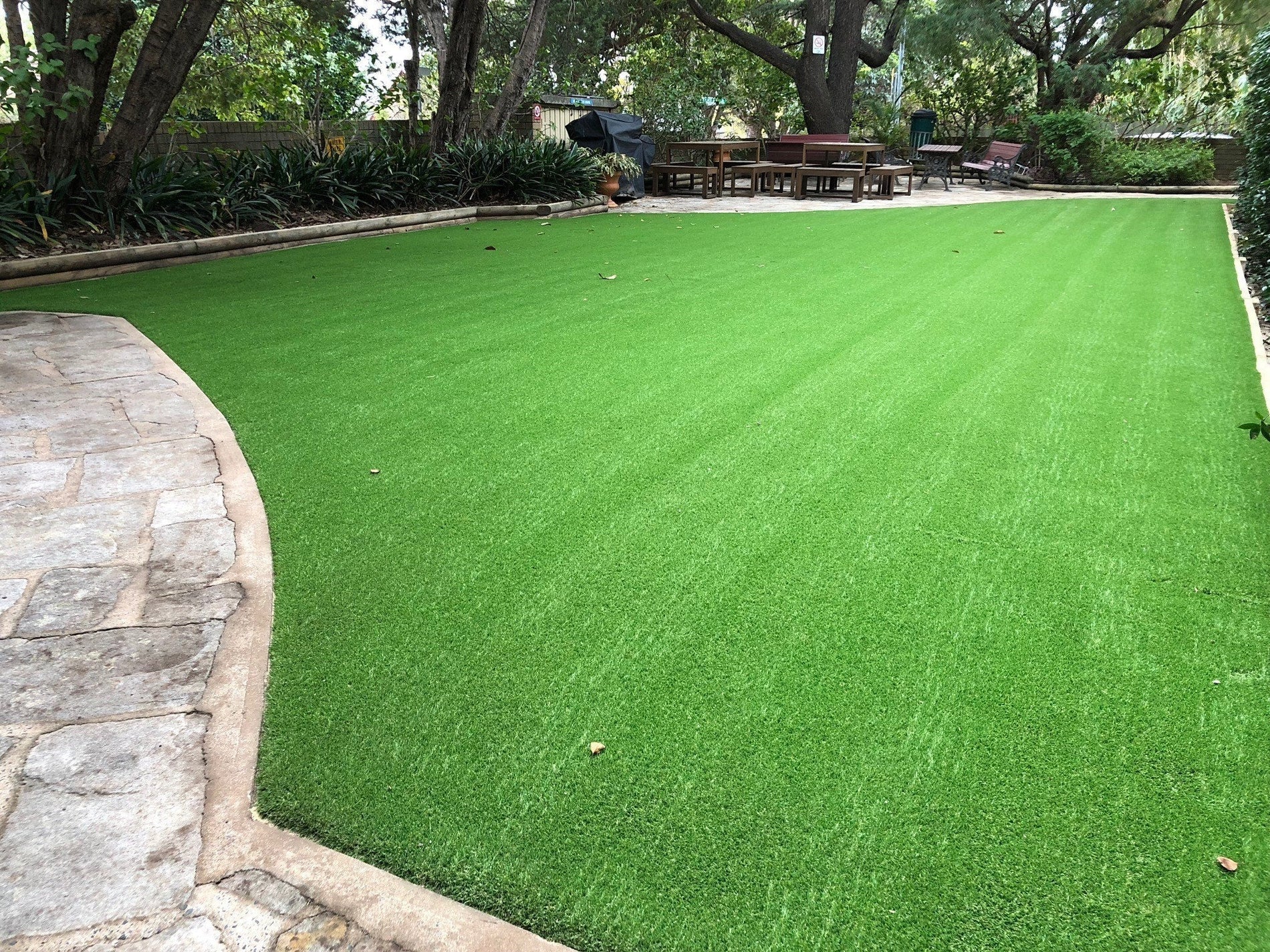
Artificial Grass Maintenance
Professional Artificial Grass Maintenance in Allen, TX.
View Service
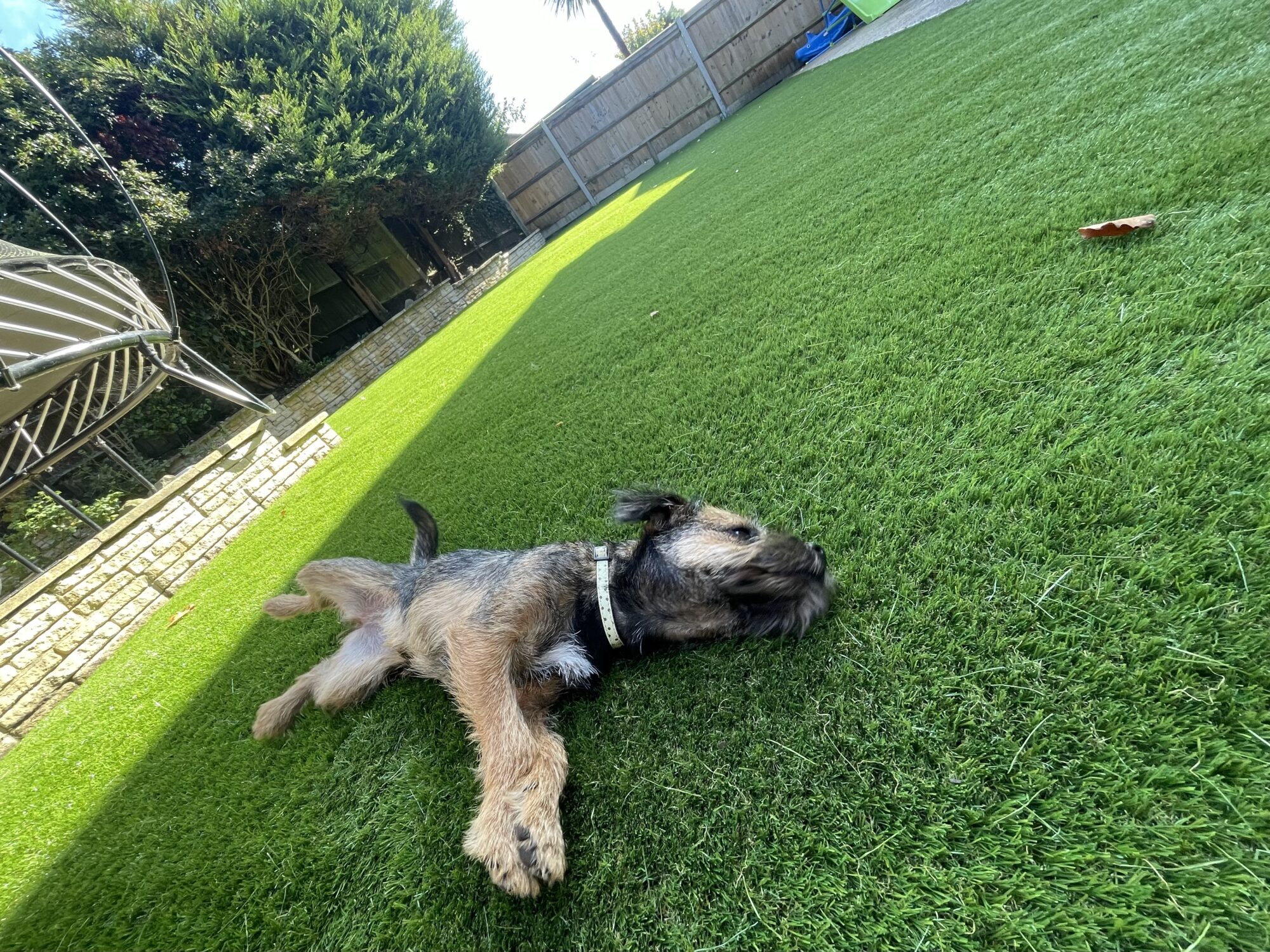
Artificial Grass For Pets
Professional Artificial Grass For Pets in Allen, TX.
View Service
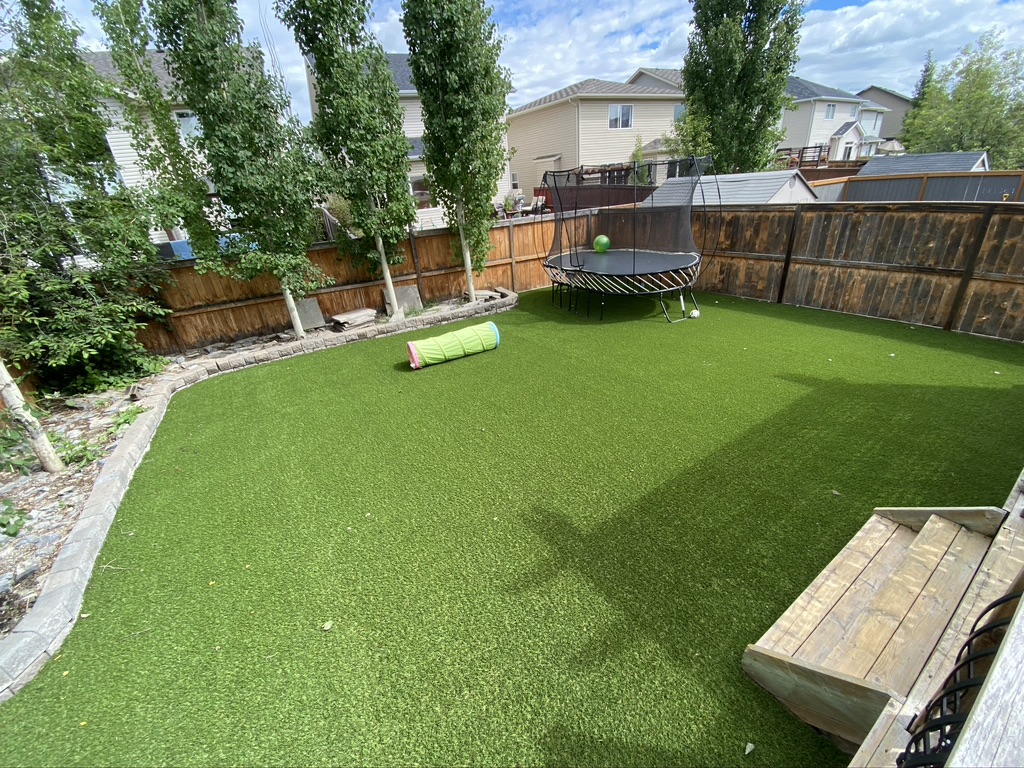
Artificial Grass Repair
Professional Artificial Grass Repair in Allen, TX.
View Service
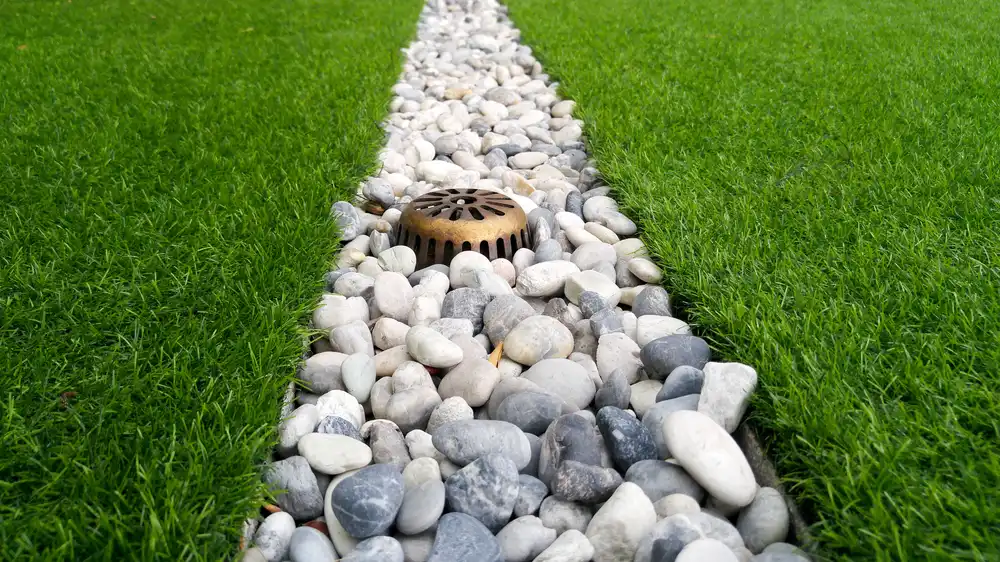
Artificial Grass Drainage Solutions
Professional Artificial Grass Drainage Solutions in Allen, TX.
View Service
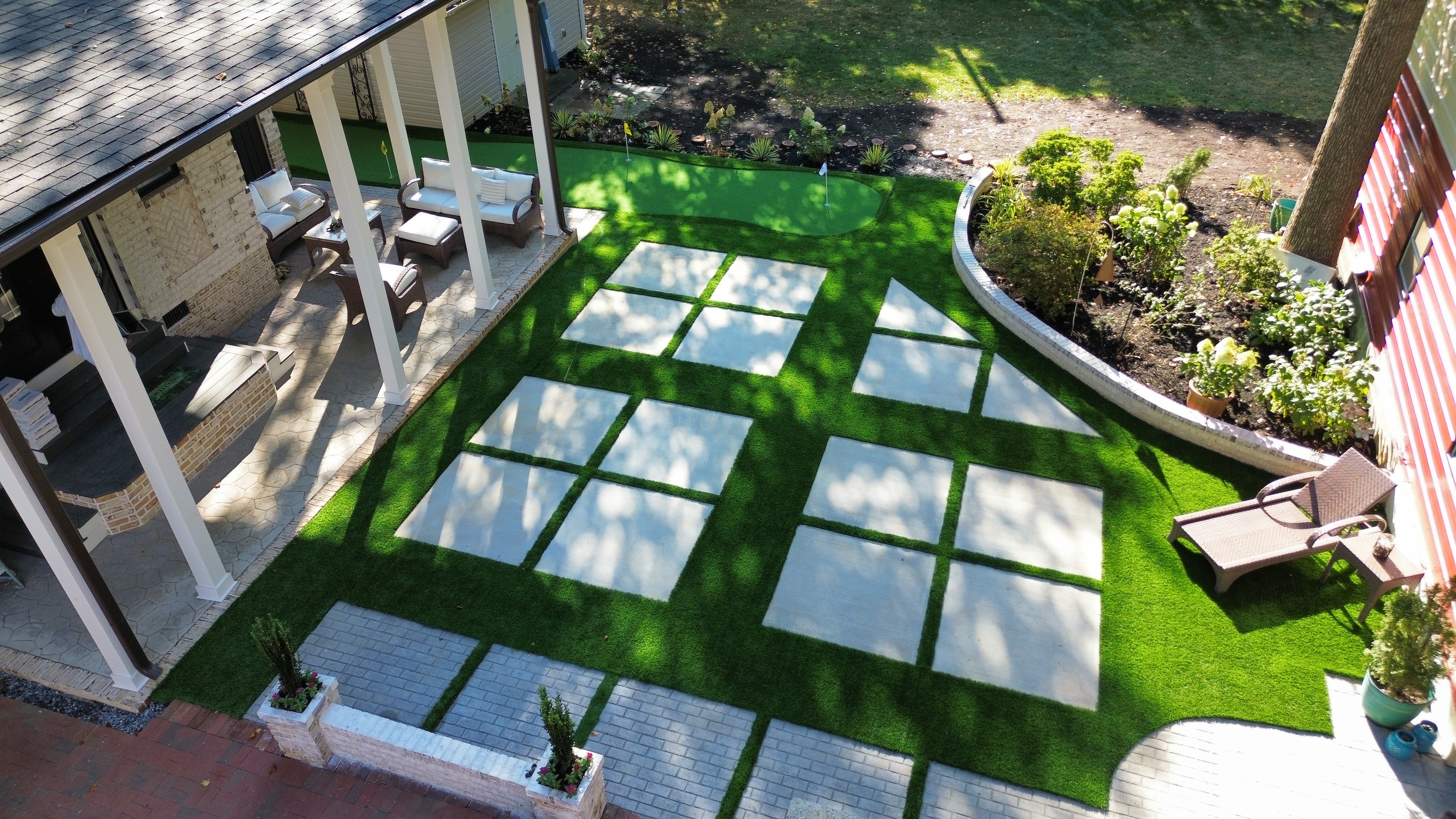
Artificial Grass Consultations
Professional Artificial Grass Consultations in Allen, TX.
View Service
Artificial Grass Removal And Replacement
Professional Artificial Grass Removal And Replacement in Allen, TX.
View Service
Nearby Cities We Serve
Tell us about your Parker property
Parker TX artificial grass installs for large lots, equestrian properties, and active families. Drainage-smart design from a local 18-year crew.
Request a Free Site Visit