
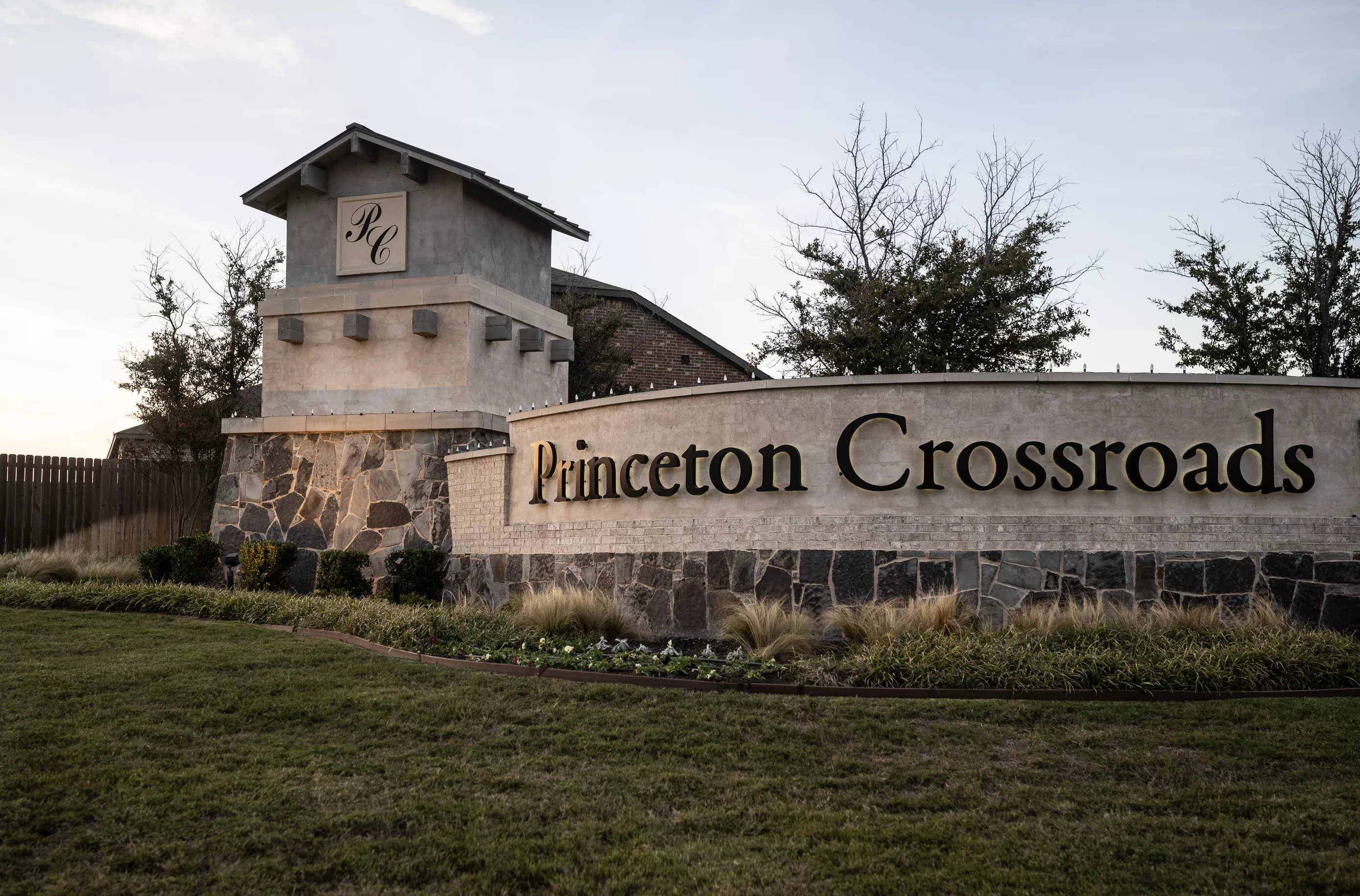
Artificial Grass in Princeton, TX
Princeton has been growing faster than almost any other city in our service area, and that growth is reshaping the city in ways that directly affect how we approach turf installs here. New subdivisions going up north of US 380 are on land that was farmland five years ago — the soil has been scraped, compacted by construction equipment, and covered with a shallow layer of sod or seeding that struggles to establish on the disturbed clay underneath. Families move in, their dogs tear up that struggling turf within a year, and we get the call. We have done a lot of new-home installs in Princeton in the last three years and we know what the common issues are going into these jobs.
Get a Free On-Site QuoteLocal Service in Princeton
Princeton has been growing faster than almost any other city in our service area, and that growth is reshaping the city in ways that directly affect how we approach turf installs here. New subdivisions going up north of US 380 are on land that was farmland five years ago — the soil has been scraped, compacted by construction equipment, and covered with a shallow layer of sod or seeding that struggles to establish on the disturbed clay underneath. Families move in, their dogs tear up that struggling turf within a year, and we get the call. We have done a lot of new-home installs in Princeton in the last three years and we know what the common issues are going into these jobs.
Why does natural grass struggle so much in new Princeton subdivisions?
The answer is compaction and soil disruption. When a developer builds a Princeton subdivision, heavy equipment runs across every inch of the ground for months. The native soil, already dense Collin County clay, gets compacted to the point where water cannot move through it and grass roots cannot penetrate beyond a couple of inches. The builder lays down a thin strip of sod or hydromulch that greens up for the first season, and then it dies because there is nowhere for the roots to go and no organic matter in the soil to sustain them.
New Princeton homeowners are not doing anything wrong — the grass was set up to fail from the day the builder walked off the job.
Synthetic turf solves this by removing the soil from the equation for the high-activity areas. We excavate 4 to 5 inches of that compacted clay and replace it with crushed granite that drains freely. The turf system does not care about compaction below it as long as the base itself is properly prepared. New Princeton homeowners get a surface that works immediately and keeps working regardless of the condition of the native soil underneath.
How do we handle pet turf in a Princeton yard where the whole family is outdoors a lot?
Princeton families tend to be outdoors a lot — the city is affordable, the lots are reasonable, and families use their backyards for barbecues, kids playing in the evenings, the occasional backyard game. When you add one or two dogs to that mix, you need a surface that handles both the family use and the pet use without developing separate problems for each.
For that mixed-use scenario, we use a dual-layer infill approach. The base layer is zeolite for odor management — this handles the pet use throughout the yard. The top layer, worked into the top half of the pile, is a light-colored coated silica sand that reduces surface temperature on sunny afternoons and adds traction for barefoot use. The result is a surface that is both pet-appropriate and family-comfortable without compromising either function.
One Princeton family we worked with last year had two Australian shepherds — high-energy dogs that sprint and turn hard — and four kids between ages 5 and 14. They were worried the turf would look worn in the dog-traffic patterns within a year. We used a 75-ounce nylon-polyethylene blend with the dual-layer infill. A year later, the yard looks the same as install day. The shepherd traffic patterns are there if you look carefully at the infill surface, but the pile has not matted and the drainage is still clean.
Does artificial grass in Princeton work with HOAs in the newer developments?
Princeton's newer HOA communities are generally receptive to synthetic turf submissions, largely because the boards are newer and have not had years of negative experiences with poor-quality installs. Most of the HOA pushback we see in older Plano or Allen communities stems from early-generation polypropylene turf that faded and went shiny — boards that approved those early installs regret it and now approach new submissions skeptically.
Princeton HOA boards are starting relatively fresh. We prepare the standard submission packet — product spec, color sample, photos of comparable installations, installation method description — and Princeton submissions have come back approved without modification in almost every case we have submitted.
For the handful of Princeton communities with stricter CC&Rs that limit front-yard modifications, we focus the installation on backyards and side yards where the review standards are lower. Front yard submissions in newer Princeton communities are less common anyway — most families want the backyard solved before they think about the front.
What is the price range for a typical Princeton backyard turf install?
We are transparent about this because Princeton is a market where families are making careful financial decisions. Artificial turf is an investment with real upfront cost, and we want homeowners to understand what drives the pricing before they call us.
The primary cost driver is square footage. A typical Princeton backyard turf zone — usually 800 to 1,500 square feet — runs between $8 and $14 per square foot installed depending on base depth, drainage complexity, and the product selected. A basic pet yard with standard base runs toward the lower end. A complex drainage design with a premium product and additional features runs higher.
The comparison point we ask Princeton homeowners to consider is cumulative cost of natural lawn maintenance. Professional mowing in Princeton typically runs $40 to $60 per visit; most lawns need it every two weeks through the growing season, which is roughly 18 visits per year. Add irrigation costs during dry months, fertilizer, weed control, and the occasional re-sodding after a bad drought year. Over a ten-year period, a maintained natural lawn in Princeton often costs more in cash and time than a synthetic turf installation. We can walk through that math with any homeowner who wants to compare honestly.
What does installation week look like for a new-construction Princeton home?
New-construction Princeton installs have one additional step compared to established-neighborhood jobs: subgrade assessment. Because the native soil has been compacted by construction equipment, we test for soft spots and areas of uneven compaction before we begin building the base. We do this with a simple penetrometer — a rod we press into the ground at multiple points to feel for inconsistencies. Soft spots get excavated an extra inch and compacted with the plate compactor before we add granite. This prevents the base from settling unevenly after installation.
With that extra assessment step, our Princeton new-home installs run four to five days. Day one is the assessment and excavation. Day two is base installation — crushed granite, compaction in lifts, drainage structures. Day three is turf installation. Day four is infill and finish. Day five, if needed, is for any punch-list items from the walkthrough or for extra drainage detail work.
One thing we appreciate about new Princeton construction: the access is usually good. No mature landscaping in the way, wide-open gates, and the neighbor relationships have not yet produced strong opinions about what goes on in your backyard. We can get the delivery truck close to the install area, which speeds up material handling on larger jobs.
Services Available in Princeton
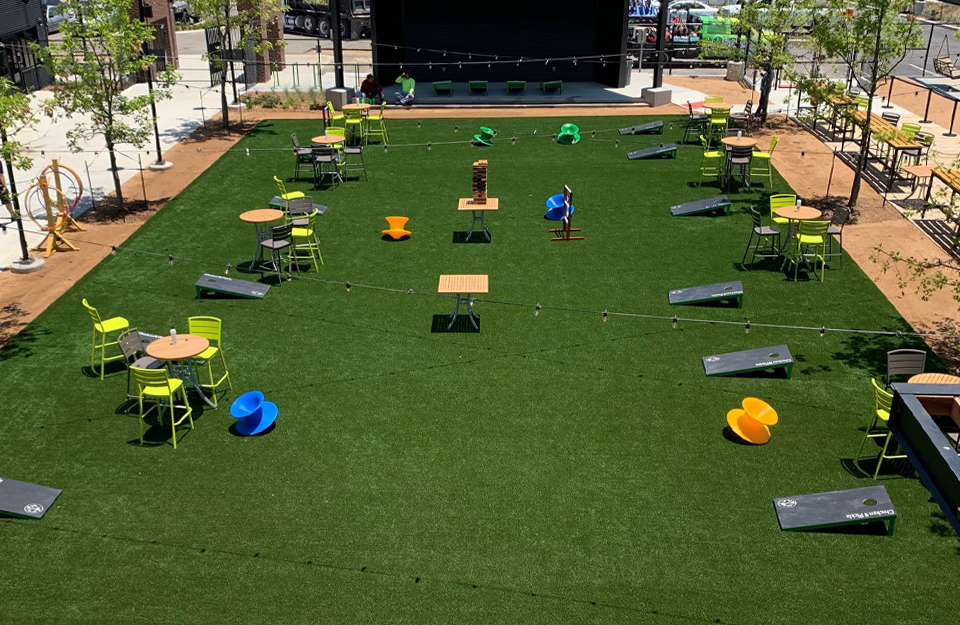
Commercial Artificial Grass Installation
Professional Commercial Artificial Grass Installation in Allen, TX.
View Service
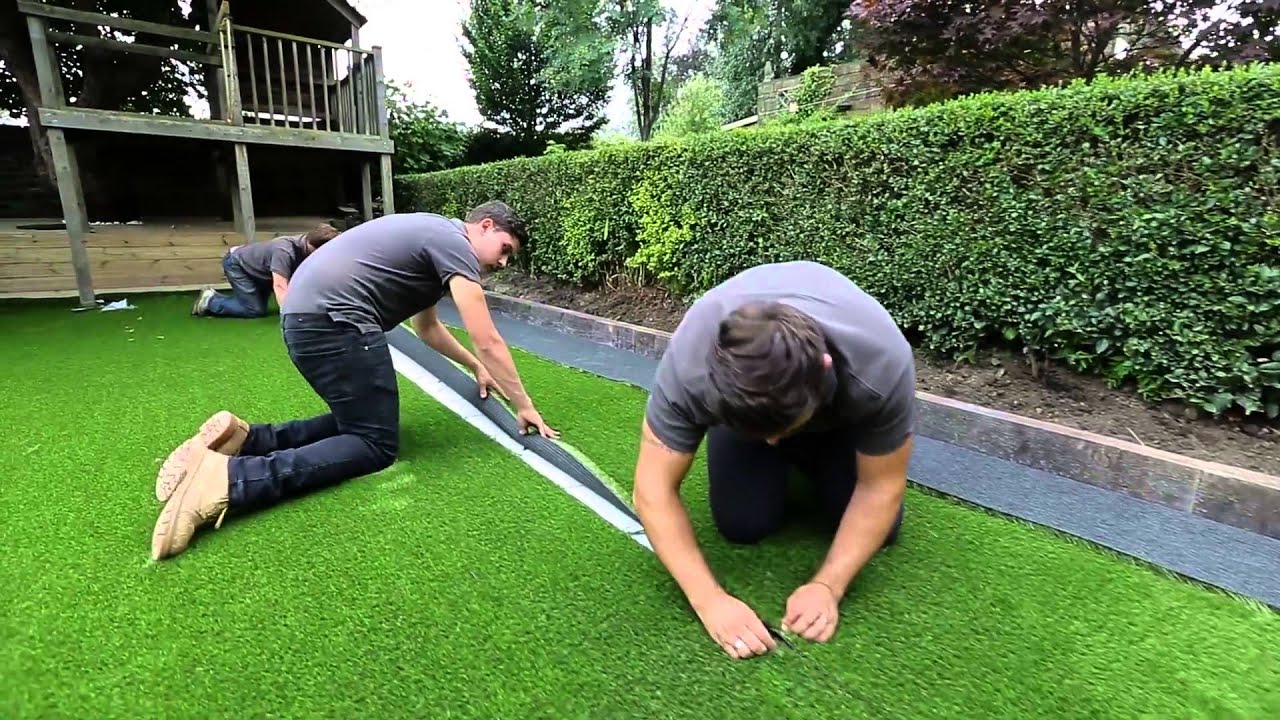
Residential Artificial Grass Installation
Professional Residential Artificial Grass Installation in Allen, TX.
View Service
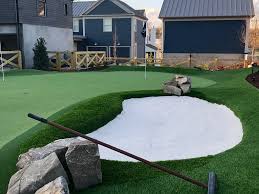
Artificial Grass Putting Green Design
Professional Artificial Grass Putting Green Design in Allen, TX.
View Service
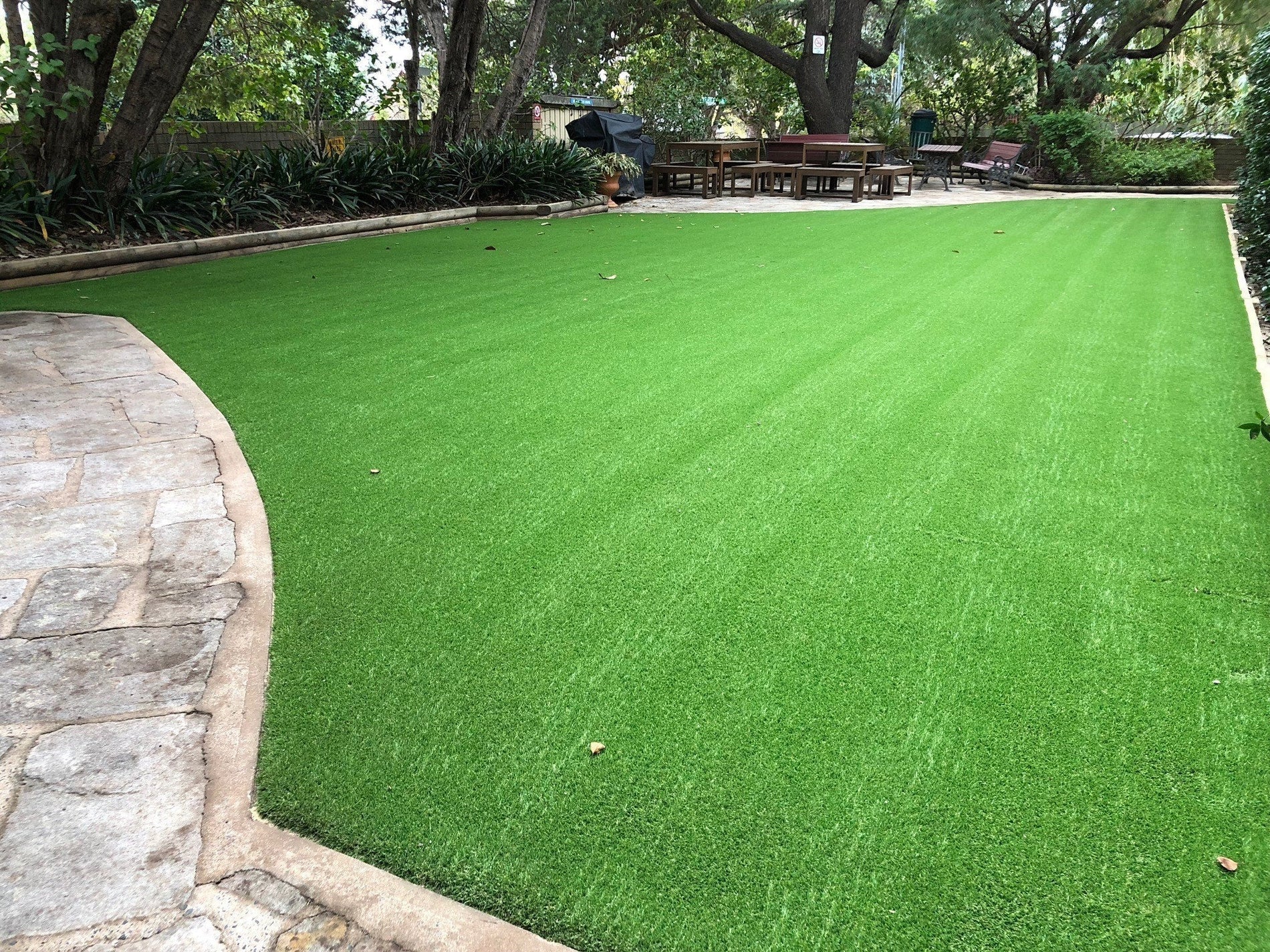
Artificial Grass Maintenance
Professional Artificial Grass Maintenance in Allen, TX.
View Service
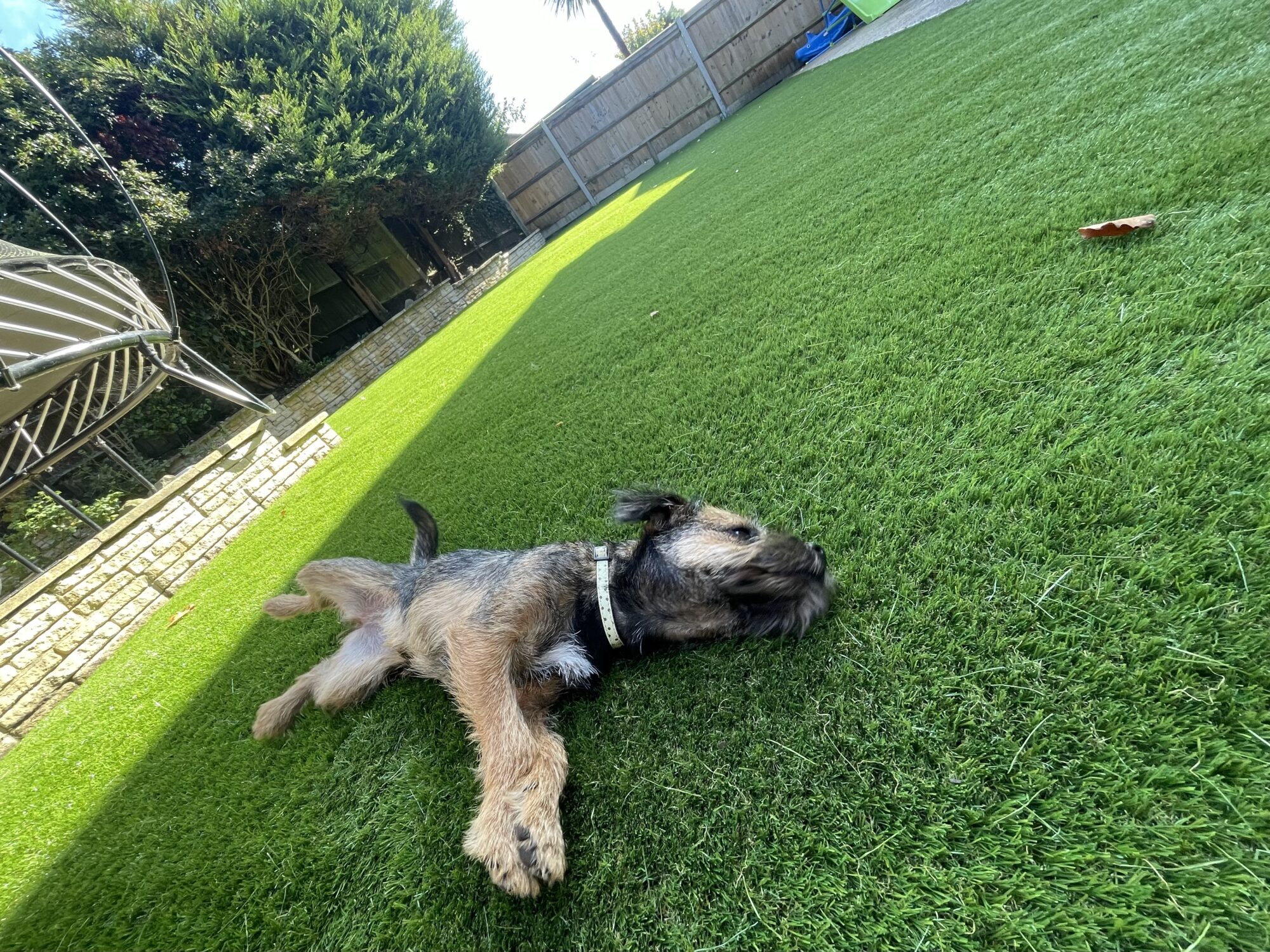
Artificial Grass For Pets
Professional Artificial Grass For Pets in Allen, TX.
View Service
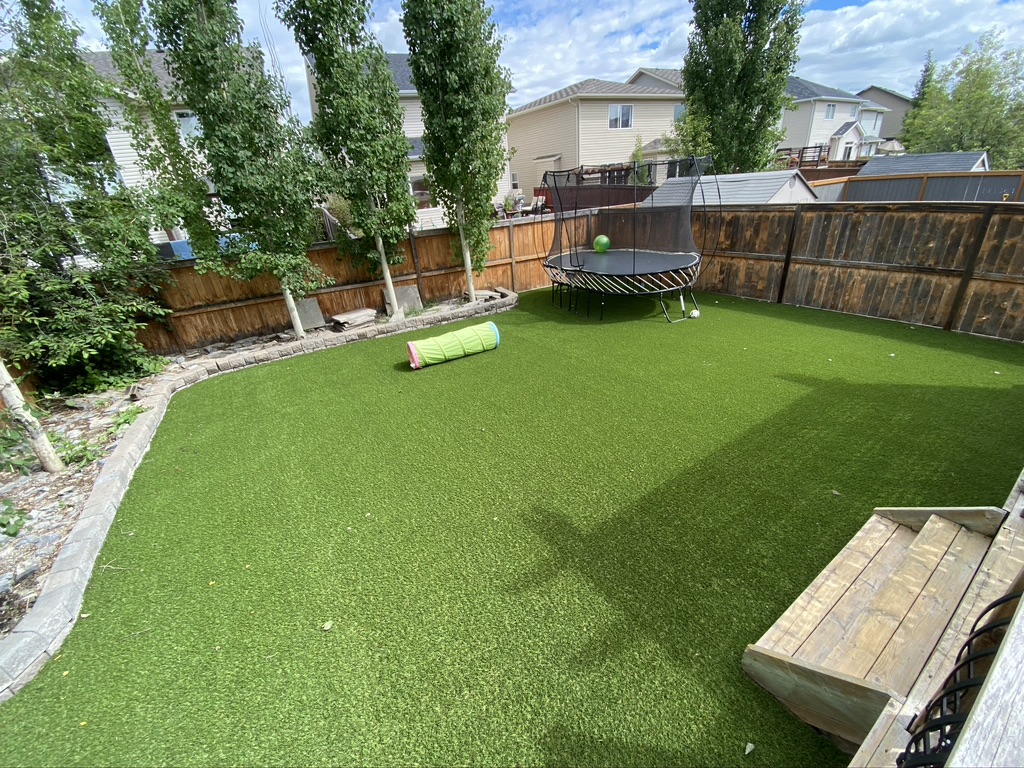
Artificial Grass Repair
Professional Artificial Grass Repair in Allen, TX.
View Service
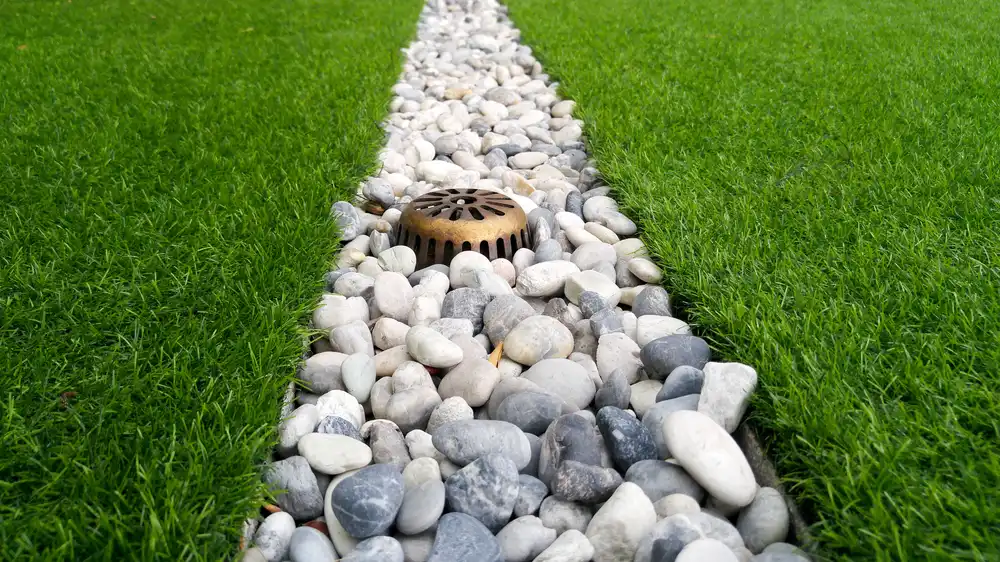
Artificial Grass Drainage Solutions
Professional Artificial Grass Drainage Solutions in Allen, TX.
View Service
Artificial Grass Consultations
Professional Artificial Grass Consultations in Allen, TX.
View Service
Artificial Grass Removal And Replacement
Professional Artificial Grass Removal And Replacement in Allen, TX.
View Service
Nearby Cities We Serve
Princeton estimate — let's talk
Princeton TX artificial grass installs for new and established neighborhoods. Drainage-first pet turf, honest pricing, no boilerplate. Local Collin County crew.
Get a Free On-Site Quote