
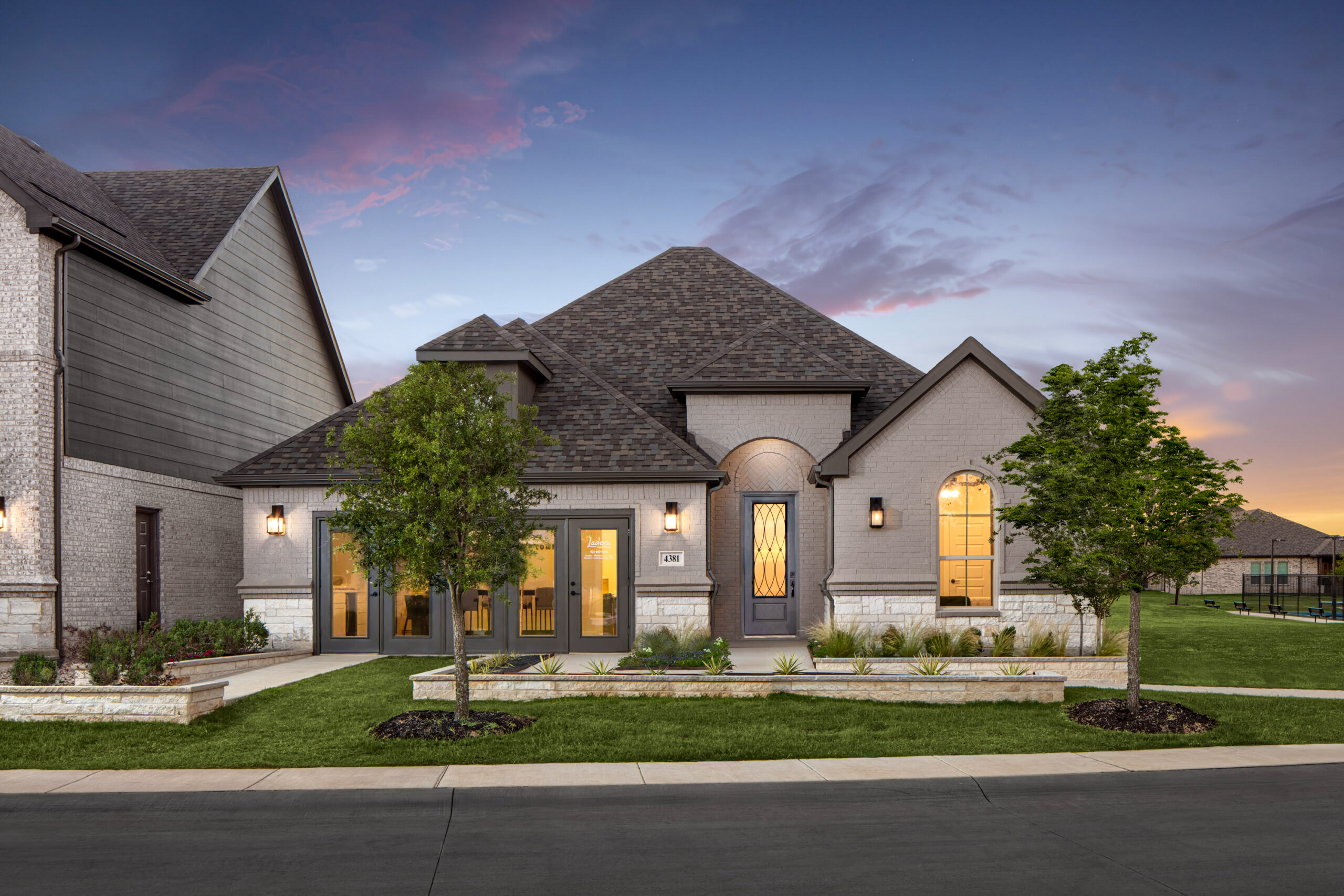
Artificial Grass in Prosper, TX
Prosper is a city that expects things to be done right. The communities here — Windsong Ranch, Gentle Creek, Star Trail — have HOAs with real enforcement records and neighbors who notice when a property looks off. The families who call us in Prosper have typically done their research before they reach out. They know what synthetic turf is supposed to look like and they have seen bad examples elsewhere. What they want from us is a clear explanation of how we ensure the product looks as good at year seven as it did at install, and an honest description of what the HOA process will look like. Those are questions we can answer specifically.
Get a Free On-Site EstimateLocal Service in Prosper
Prosper is a city that expects things to be done right. The communities here — Windsong Ranch, Gentle Creek, Star Trail — have HOAs with real enforcement records and neighbors who notice when a property looks off. The families who call us in Prosper have typically done their research before they reach out. They know what synthetic turf is supposed to look like and they have seen bad examples elsewhere. What they want from us is a clear explanation of how we ensure the product looks as good at year seven as it did at install, and an honest description of what the HOA process will look like. Those are questions we can answer specifically.
How do you get Windsong Ranch and Gentle Creek HOAs to approve synthetic turf?
Prosper's master-planned community HOAs are thorough reviewers. Windsong Ranch, in particular, has an active architectural committee that reviews submissions carefully and will reject or require modification of anything that does not meet their community aesthetics standards. We have successfully submitted and received approval in both communities, and our process reflects what those committees look for.
The Windsong Ranch submission that works includes: a product specification with TDI (Texas Department of Insurance) compliant fire rating, the specific pile height (must fall within 1.5 to 2.25 inch range for most Prosper communities), a color designation that matches the approved natural-turf spectrum, photos of the installation methodology showing edge treatment and seam technique, and photos of at least two to three comparable installations aged three or more years in similar communities.
What gets submissions rejected: non-specific product descriptions ("high-quality synthetic turf"), no color sample, photos only of new installations, and vague language about drainage. We have learned over many Prosper submissions to be extremely specific. The committee wants to know the exact product model number, the face weight in ounces per square yard, the fiber content, and the backing specification. We provide all of it.
What product do we recommend for large Prosper backyards with active dogs?
Prosper backyards in master-planned communities tend to be well-proportioned — substantial enough to give dogs room to run, but not the rural acreage of Lucas or Parker. A typical Prosper backyard in a community like Star Trail or Windsong Ranch might run 1,800 to 3,000 square feet. That is enough space that two active dogs have room to develop real traffic patterns, and the product needs to handle concentrated impact zones.
For Prosper pet yards in this size range, we use a product we have had excellent long-term results with: a 3/8-inch pile height for lower-traffic areas near the house, stepping up to 1.75-inch pile in the main yard area. The combination provides a clean, manicured look near the patio furniture while giving the main yard enough pile mass to absorb dog traffic and spring back.
We always recommend an antimicrobial backing in Prosper pet yards because Prosper summers are relentlessly sunny and warm, and bacterial growth in the backing is accelerated by heat. The antimicrobial treatment is a functional requirement for a long-lasting pet yard in this climate, not just a marketing claim. The cost difference from standard backing is about 8 to 12 percent of the material cost, and we consider it non-negotiable for any yard with dogs.
How does the Prosper clay drainage situation compare to southern Collin County?
Prosper sits in the same Blackland Prairie geology as Allen and McKinney, with similar heavy clay characteristics. The difference is that much of Prosper was developed more recently, which means the soil disruption from construction is more recent and in some cases more severe.
In the newest Prosper developments — areas that were completed in the last three to five years — we frequently find fill material used to achieve lot grades that was not native clay but a mix of imported fill and native subsoil. This mixed fill can have inconsistent drainage characteristics — some pockets drain faster than the surrounding clay, creating uneven percolation under the base. Our response is to add an extra compaction pass at the subgrade level before we bring in granite, which levels out the density variation and gives us a more predictable drainage surface to build on.
For established Prosper neighborhoods where the soil has had years to settle, the drainage situation is more predictable. We see the same clay-pond effect after heavy rain that we see in Allen and McKinney, and we solve it the same way: proper grade, adequate base depth, and defined drainage outlets. Prosper does not require anything novel in the drainage approach — just careful execution of established technique.
What should Prosper homeowners think about for long-term turf appearance?
Prosper homeowners are thinking in decades, not years. When you invest in a Prosper property, you expect your landscaping decisions to hold up across an ownership horizon that might be ten to twenty years. That is the right frame for thinking about synthetic turf.
The products we specify for Prosper installations carry an eight-year fiber warranty from the manufacturer. That warranty covers against UV-induced color fade and fiber breakdown — the two things that make older synthetic turf look cheap. After eight years, a quality product typically still looks good; the warranty just reflects the manufacturer's confidence threshold, not the actual service life. We have installations in comparable communities that are ten and eleven years old and still drawing positive comments from neighbors.
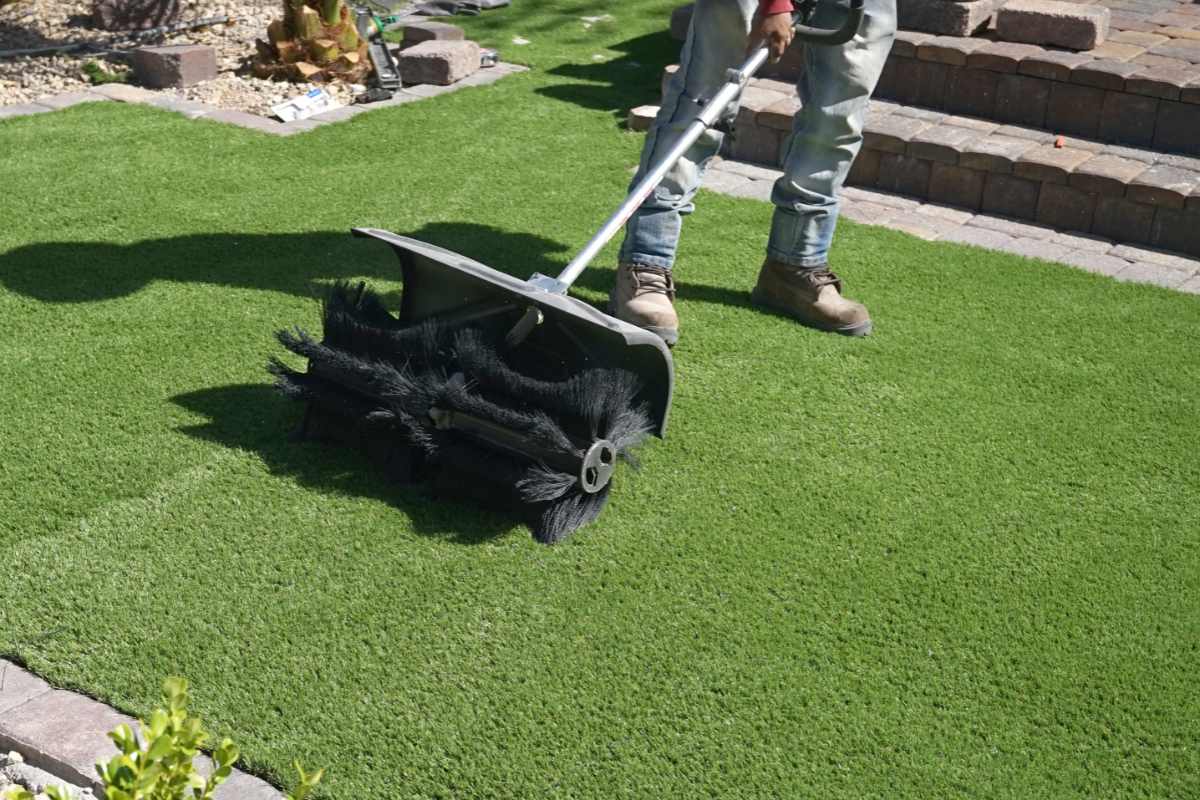
The long-term appearance is maintained primarily by keeping the blades upright. Matted blades are what makes a turf yard look old and tired. Annual power brooming prevents matting. We offer an annual visit service that includes a full power broom pass, infill check, and edge inspection — it is a two-hour service that keeps the product looking three to four years younger than neglected installations. For Prosper homeowners who want a complete maintenance program, this annual visit is the most cost-effective longevity tool available.
What does a Prosper installation look like day by day?
Prosper installs run three to five days depending on backyard size and the complexity of the HOA-required edge work. Prosper HOA communities often have specific edging requirements — particularly for the property-line fence edge and for the transition to pool decking — that add time to the finish work.
Day one: Site prep walk, utility locate, irrigation head marking and capping, demo of existing ground cover. In Prosper, the demo step often includes removing builder-installed irrigation emitters and drip lines from bed areas adjacent to the turf zone. We cap every line before we begin excavation.
Day two: Excavation to depth, material hauled off, subgrade assessment. For new Prosper homes, we add the mixed-fill compaction step at this stage.
Day three: Base installation. Crushed granite, two compaction lifts, grade check with precision level on a 10-foot span. Drainage structures where needed.
Day four: Turf installation. Roll, cut, seam. For Prosper HOA properties, we pay particular attention to the front-facing edge of the turf zone — the edge visible from the street or from the fence line — and make sure the bender board transition is perfectly level and tight. That is what Prosper HOA committees look at when they do post-installation site checks.
Day five (if needed): Infill, brooming, and final inspection. We photograph the completed installation from the same angles as the HOA inspection will use, so you have documentation for any review questions.
Services Available in Prosper
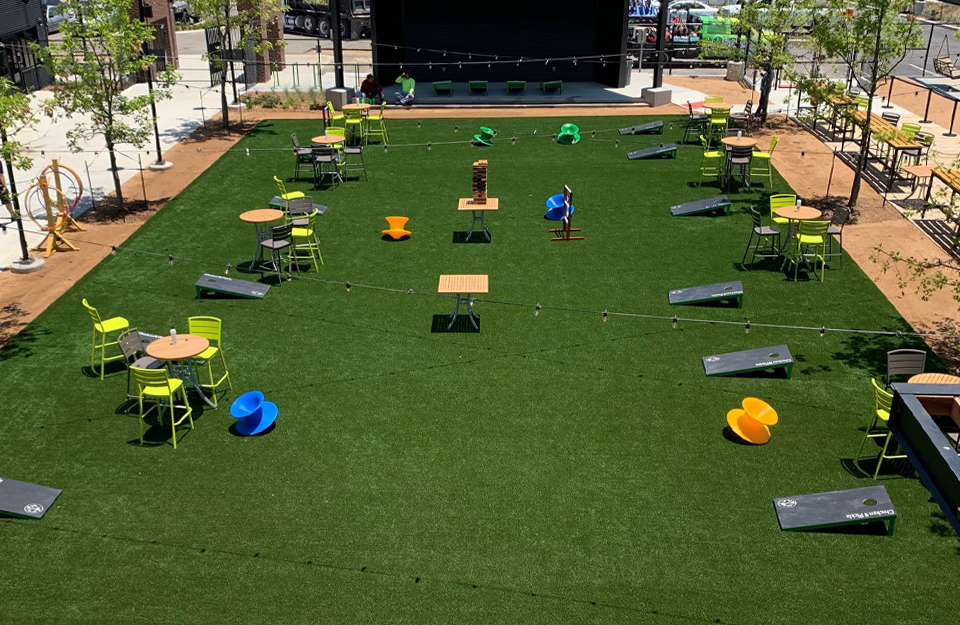
Commercial Artificial Grass Installation
Professional Commercial Artificial Grass Installation in Allen, TX.
View Service
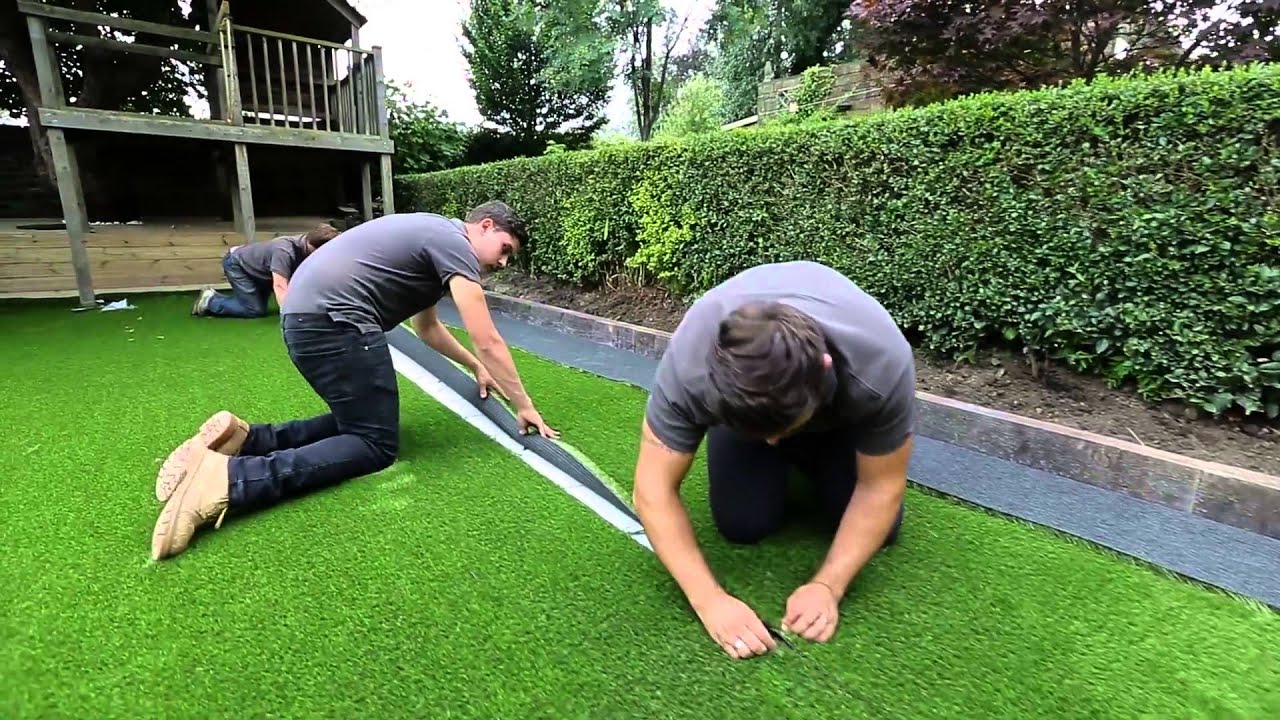
Residential Artificial Grass Installation
Professional Residential Artificial Grass Installation in Allen, TX.
View Service
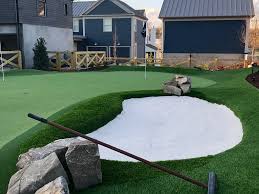
Artificial Grass Putting Green Design
Professional Artificial Grass Putting Green Design in Allen, TX.
View Service
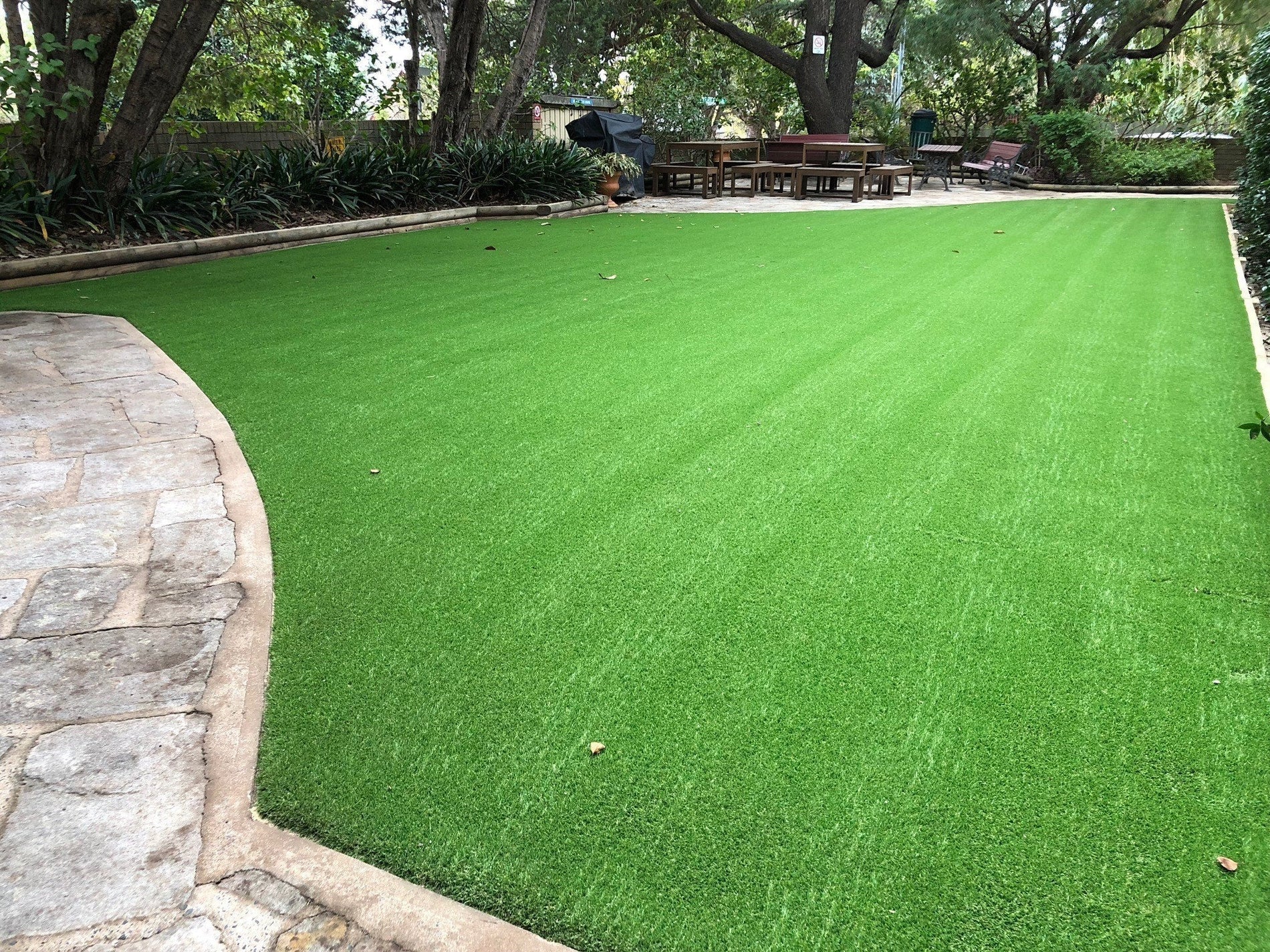
Artificial Grass Maintenance
Professional Artificial Grass Maintenance in Allen, TX.
View Service
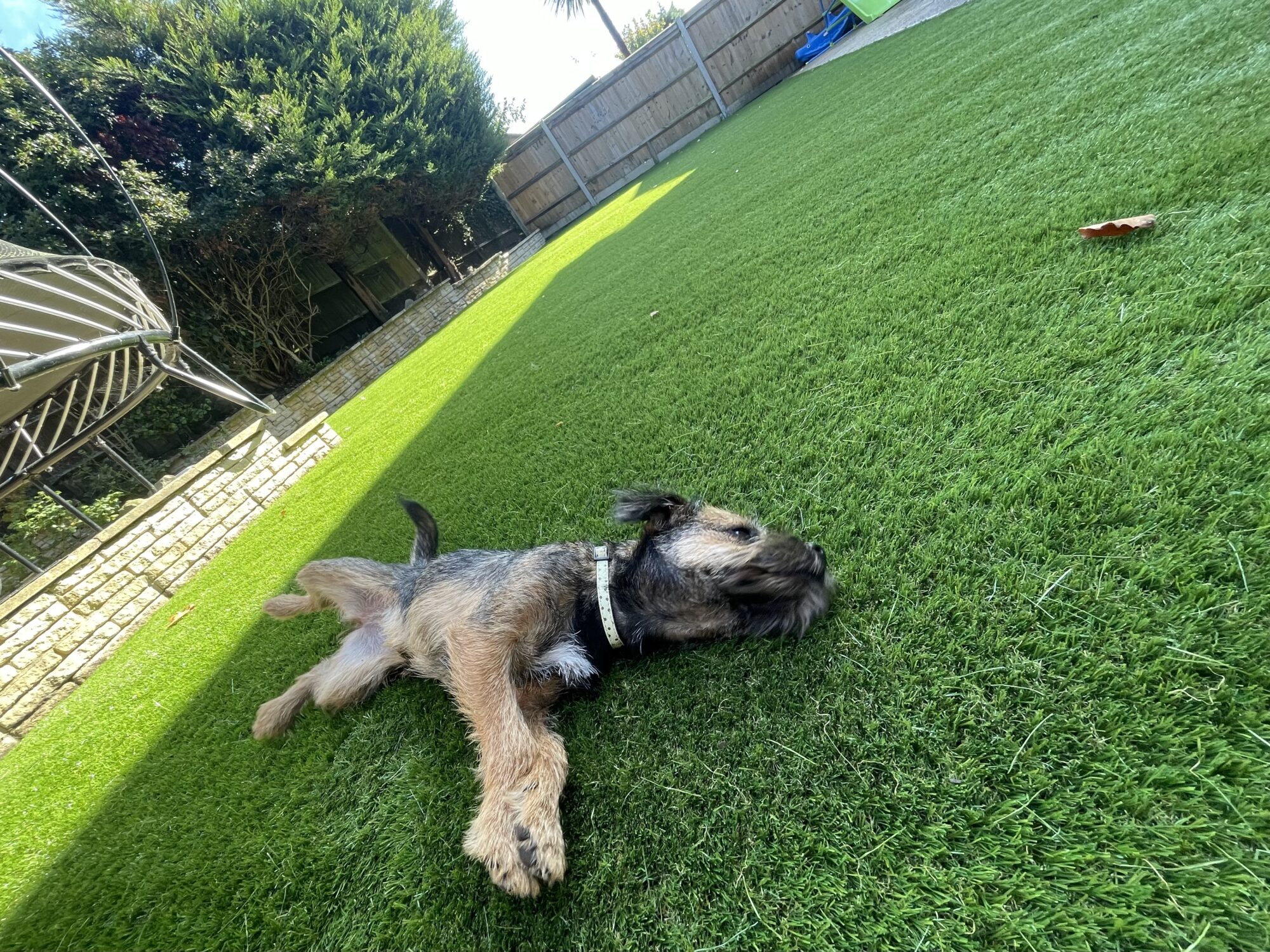
Artificial Grass For Pets
Professional Artificial Grass For Pets in Allen, TX.
View Service
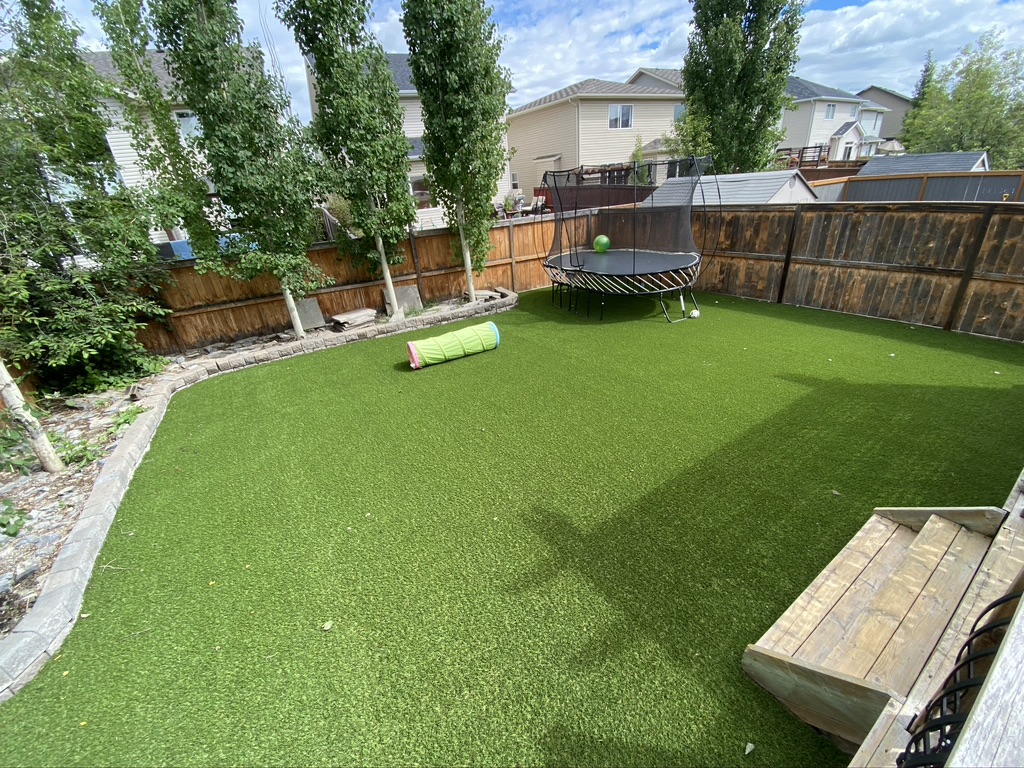
Artificial Grass Repair
Professional Artificial Grass Repair in Allen, TX.
View Service
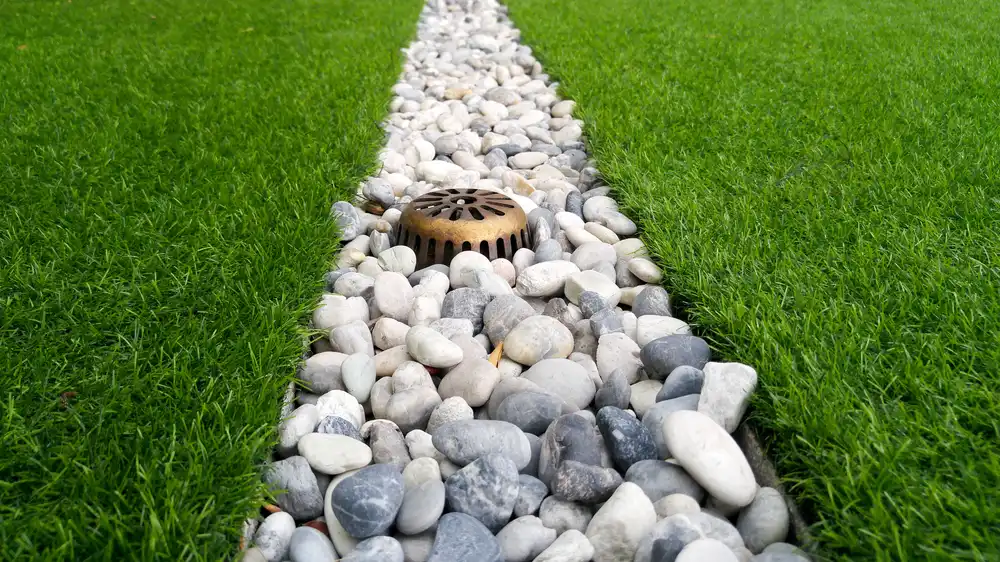
Artificial Grass Drainage Solutions
Professional Artificial Grass Drainage Solutions in Allen, TX.
View Service
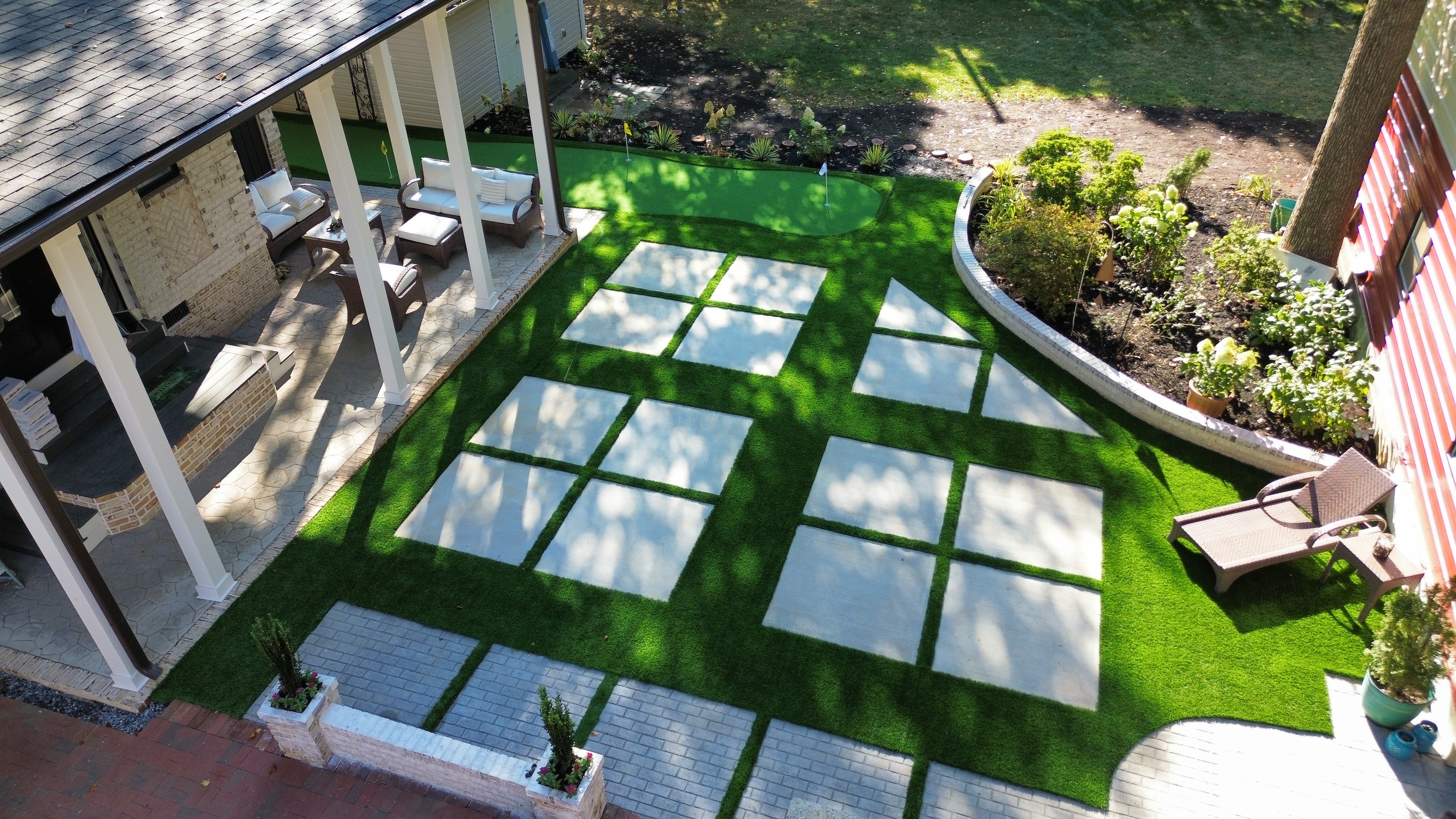
Artificial Grass Consultations
Professional Artificial Grass Consultations in Allen, TX.
View Service
Artificial Grass Removal And Replacement
Professional Artificial Grass Removal And Replacement in Allen, TX.
View Service
Nearby Cities We Serve
Planning a Prosper yard project?
Prosper TX artificial grass for active families in Windsong Ranch, Gentle Creek, and Star Trail. Drainage-first installs, HOA-ready documentation.
Get a Free On-Site Estimate